You can swim in some reservoirs only where explicitly allowed — many ban swimming for water supply and safety; check posted rules and cold, deep-water hazards before entering.
- First step
- Read posted rules + agency website
- Common ban reasons
- Drinking water, boats, steep shores
- Hazards
- Cold water, depth, outlet current
- Alternative
- River swimming holes on /directory/
- Related
- River safety guide on this site
You can swim in a reservoir only when the managing agency explicitly allows it — and many reservoirs prohibit swimming entirely. Unlike a natural river hole, a reservoir is a managed impoundment with rules driven by drinking water, hydropower, and boat traffic.
Why reservoirs differ from river swimming holes
| River hole | Reservoir |
|---|---|
| Natural pool in current | Dam-backed standing water |
| Rules vary by land manager | Central dam authority policy |
| Depth changes with season | Drawdown exposes steep mud slopes |
| Often hike-in | Often boat ramps and buoys |
Our directory focuses on natural rivers, creeks, and springs — but recreation areas like Curecanti show how designated reservoir recreation works when swimming is part of the plan.
When swimming is allowed
Look for:
- Designated swim zones with buoys
- State or federal recreation areas listing swimming on the official site
- Sandy or gradual entry maintained for visitors
Still assume no lifeguards unless posted.
When swimming is prohibited
Do not enter if you see:
- “No swimming” or “no body contact” signs
- Drinking-water supply notices
- Active power-generation outlet warnings
- Dam construction or fluctuating water alerts
Ignoring rules risks fines and sets bad precedent for future access.
Hazards even where legal
- Cold water — Deep releases cause cold shock; see river safety for entry technique.
- Steep drop-offs — Shoreline can plunge from wading depth to tens of feet in one step.
- Boats — Swim only inside marked zones; wear bright colors.
- Algae blooms — Follow health advisories in hot summers.
Swimmable rivers near me instead
Searches for swimmable rivers often mean “where can I legally get in the water?” If your nearest reservoir bans swimming, pivot to your state river listings and filter by river type.
Checklist before reservoir swimming
- Official website allows swimming today
- No algae or bacteria advisory
- Marked swim zone identified
- Weak swimmers wear life jackets
- Someone on shore watches children
Reservoirs can be great when rules welcome you. River and creek holes remain the heart of natural swimming culture on this site — browse /states/ for alternatives when dams say no.
Top picks for this trip
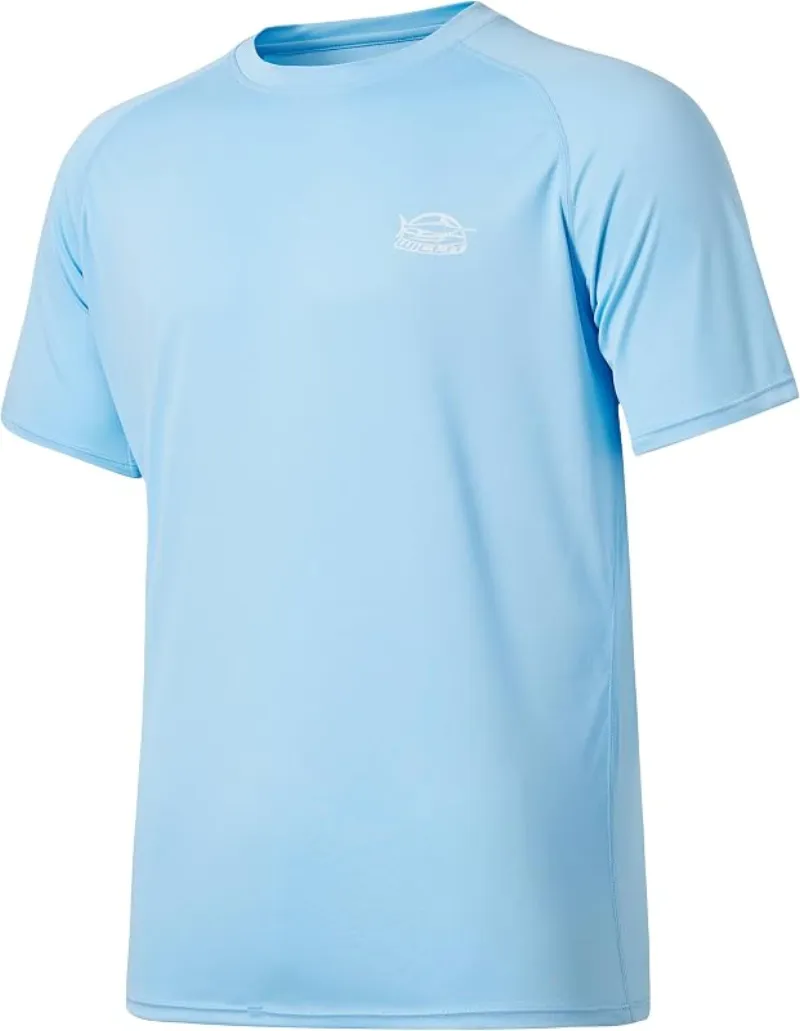
Willit Rashguard Swim Shirt UPF 50+
The best all-around sun shirt for swimming holes — light enough to swim in, dry enough to hike out in.
Check price on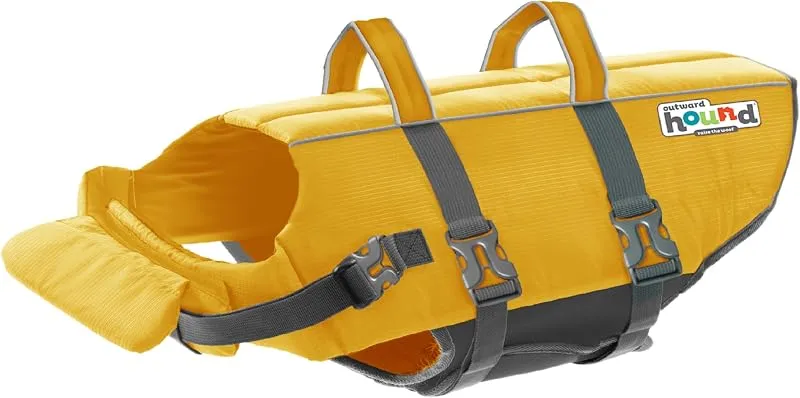
Outward Hound Granby Splash Life Jacket
The best all-around dog swim float for natural water — as long as the hole is calm and you stay hands-on.
Check price onSpots from our directory
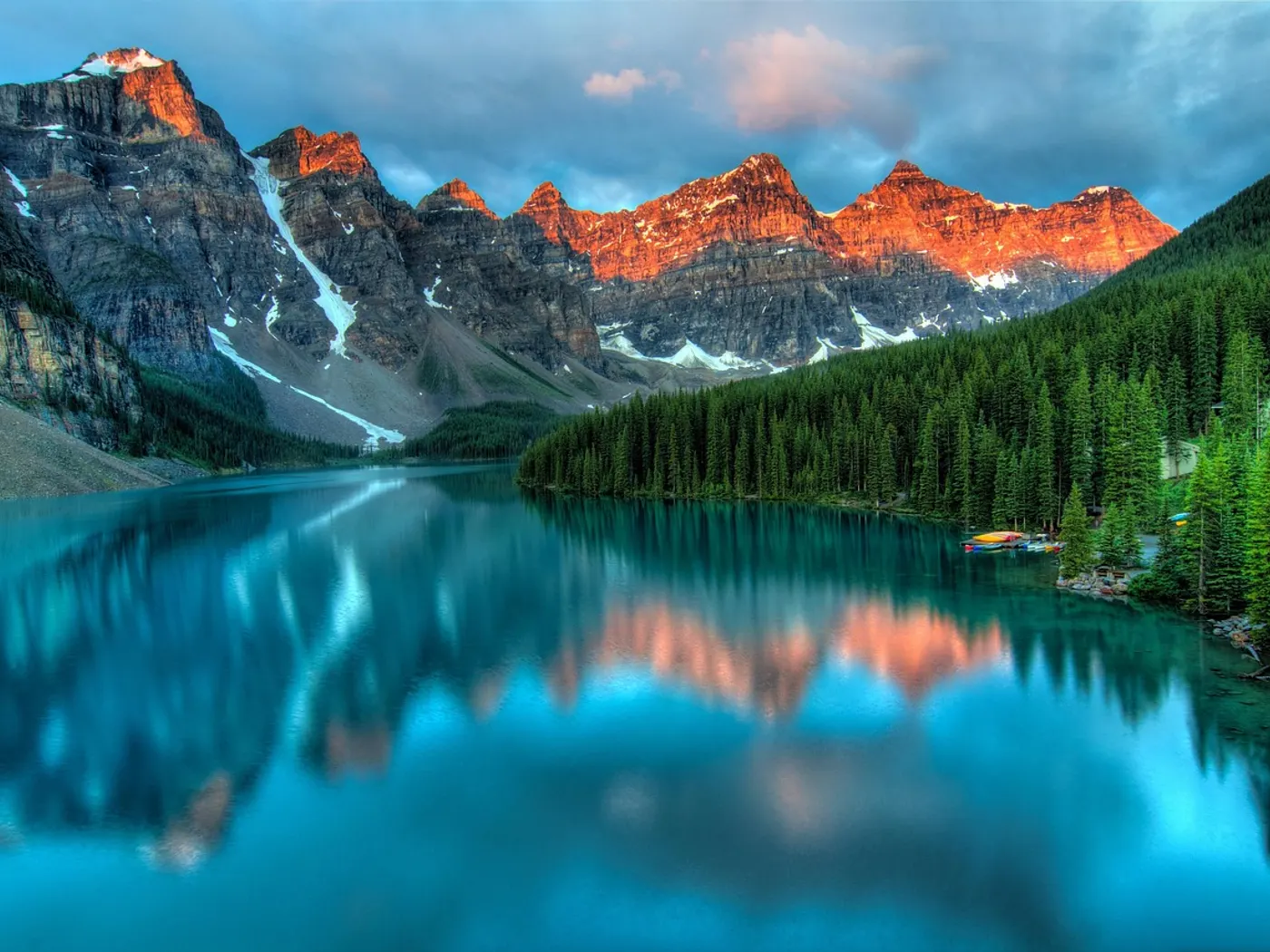
Curecanti National Recreation Area Swimming Spots
Here, where the Gunnison River was once dammed to create this vast blue expanse, swimmers and wanderers arrive along Route 50 to find something unexpected: a landscape that feels simultaneously ancient and alive, where red-rock mesas drop toward turquoise water and bald eagles circle overhead.
View detailsFrequently asked questions
Can you swim in any reservoir?
No. Many reservoirs prohibit body contact for water supply, power generation, or safety. Always read posted rules and the managing agency website.
Why are some reservoirs no-swim?
Drinking water supply, boat traffic, steep shores, and dam outlet currents create policy and safety reasons to ban swimming.
Are reservoirs colder than lakes?
Often yes — deep releases and drawdown can keep water cold even in summer.