Free, informal spots with little or no infrastructure — the river bends, creek pools, and unmarked pull-offs that never appear on a tourism map.
5 free, low-key swimming holes in Maryland — 1 river, 3 creek, 1 lake. These are the spots with no entry fee and little or no infrastructure: no lifeguard, often no restroom, sometimes no sign at the pull-off. They include Green Ridge State Forest Swimming Spots, Gunpowder Falls State Park Central Swimming Areas, Loch Raven, and Meadowside. That is the appeal and also the risk, so read the access notes before you go.
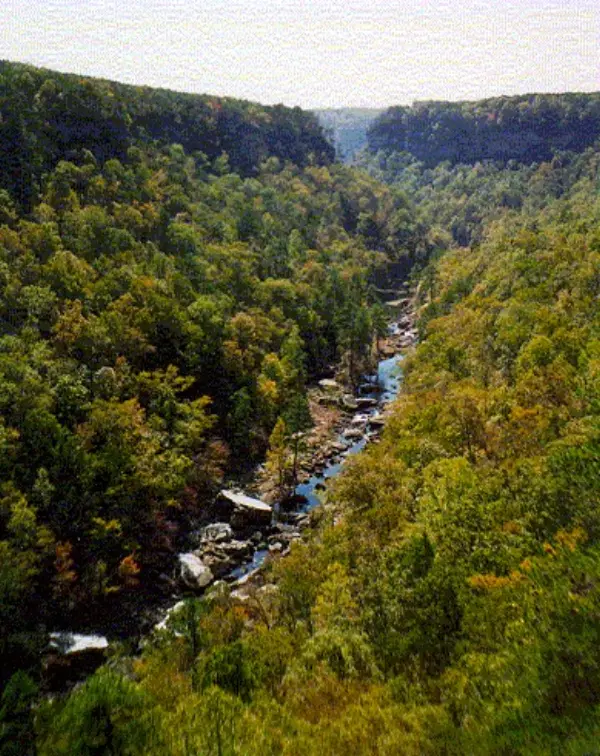
Green Ridge State Forest sprawls across more than 46,000 acres in the Ridge and Valley province of the Appalachians, and it shows. Steep forested ridges give way to narrow hollows carved by streams, and exposed sandstone and shale formations jut from the hillsides like the bones of the land itself.
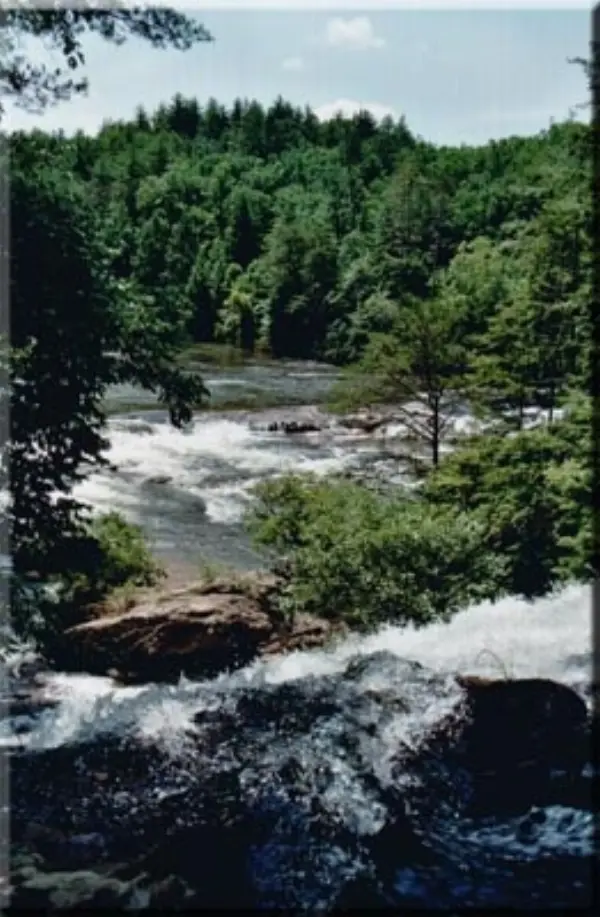
Gunpowder Falls State Park Central Swimming Areas is a creek swimming spot near Baltimore, Maryland. What people come for: Natural swimming at Long Green Creek; Unique geological features. Access is free, and there are no facilities on site. Best visited in Spring. Always enter unknown water feet-first.
A guide to the unofficial Loch Raven “swimming hole” near Baltimore, MD — hiking access, parking, safety, and why swimming is prohibited in this drinking-water reservoir.
You won't find crowds, snack bars, or roped-off swim zones here. Just the sound of moving water, the rustle of leaves overhead, and the kind of unhurried peace that's increasingly hard to come by this close to a major metropolitan area.
Patapsco Valley State Park Swimming Holes is a river swimming spot on South Branch Patapsco River near Baltimore, Maryland. What people come for: Deep swimming spots at Sykesville; Rope swing at Henryton. Access is free, and there are no facilities on site. Best visited in June-August. Always enter water feet-first.
What makes a Maryland swimming hole a "hidden gem"
Every spot on this page is free to enter and has little or no built infrastructure. In practice that means a gravel pull-off rather than a parking lot, a worn path rather than a trail, and no one on site if something goes wrong.
Cunningham Falls and the Catoctin ridge, the Savage and Youghiogheny corridors in the far west, and Rocks State Park's Deer Creek closer to Baltimore.
"Secret" is relative. Most of these are well known locally and busy on a hot Saturday — the difference is that nobody is managing them. Arrive early on weekends, park legally, and leave the place cleaner than you found it, because informal access is the first thing a landowner or county revokes.
What no facilities actually means
No restroom means pack a trowel and follow Leave No Trace, 200 feet from water. No trash service means everything you bring leaves with you, including fruit peel and bottle caps.
No lifeguard and usually no cell signal means your group is the rescue plan. Tell someone where you are going, swim with at least one other person, and enter feet-first the first time regardless of how deep it looks.
No signage also means no one is telling you the rules. Public-land access can change between seasons, and a spot that was open last summer can be gated this one. If a gate or a posted sign says no, that is the answer.
Timing and conditions in Maryland
Maryland swims late may through september, best june to august. Western Maryland mountain water warms late; the tidewater swims from May.
Deer Creek and the Gunpowder run fast after rain and both have drowning histories at popular ledges. Maryland also closes swimming areas on bacteria exceedances after storms — check before driving out.
5 free, low-key swimming holes in Maryland — 1 river, 3 creek, 1 lake. These are the spots with no entry fee and little or no infrastructure: no lifeguard, often no restroom, sometimes no sign at the pull-off. They include Green Ridge State Forest Swimming Spots, Gunpowder Falls State Park Central Swimming Areas, Loch Raven, and Meadowside. That is the appeal and also the risk, so read the access notes before you go.
Are these Maryland swimming holes free?
Yes — every spot in this guide is listed as free to enter. Parking or trailhead fees can still apply on some public land, and fee status changes between seasons, so check the individual listing before you drive.
When is the best time to visit swimming holes in Maryland?
Late May through September, with the most reliable conditions june to august. Western Maryland mountain water warms late; the tidewater swims from May. Weekday mornings are the quietest at every popular spot.
Is it safe to swim at unmarked swimming holes?
Treat every unmarked spot as unsupervised and unmeasured. Scout depth and current from the bank, enter feet-first the first time, never swim alone, and give moving water 24 to 48 hours after heavy rain. Deer Creek and the Gunpowder run fast after rain and both have drowning histories at popular ledges. Maryland also closes swimming areas on bacteria exceedances after storms — check before driving out.