2 natural hot springs in Arizona, with soaking temperatures, access notes, and fees on each listing. Best visited autumn through spring.
Arizona has 2 natural hot springs in this directory, including Agua Caliente Hot Springs, Roper Lake. Unlike the rest of Arizona's swimming, hot springs are a year-round destination and are usually best in the cold months — soaking in 100°F water is far better when the air is near freezing.
Agua Caliente Hot Springs south of Tucson / Green Valley, AZ — free undeveloped canyon thermal pools in Coronado National Forest (not Tucson’s Agua Caliente Park). High-clearance FR-183 approach; no facilities; soak at your own risk.
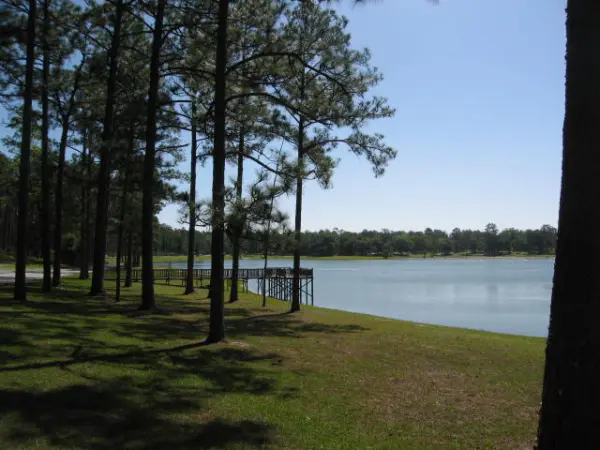
Roper Lake near Tucson, Arizona is a hot springs swimming spot. What people come for: Natural hot tub for relaxation; Safe swimming areas for families. Expect a fee of about $10.00, and you will find restrooms, picnic areas and camping. Best visited in March to May. Test water temperature before entering hot springs or the lake to avoid scalding or shock.
The water is in the canyons — Oak Creek and West Fork near Sedona, Fossil Creek and the East Verde near Payson, Salt River tubing reaches east of Phoenix, and travertine pools on tribal land.
Spring-fed canyon creeks run cold and startlingly clear even when air temperatures top 100°F.
Flash flooding is the defining Arizona risk. Monsoon storms from July through September can send a wall of water down a slot canyon under a blue sky miles from the rain. Never enter a narrow canyon when storms are forecast anywhere upstream.
Check the temperature before any part of you goes in
Undeveloped source pools can exceed 140°F, which scalds in seconds. Never step into an unfamiliar pool to test it. Reach in with a hand, downstream of the vent, and work your way toward the source only as long as it stays comfortable.
A comfortable soak is roughly 98-104°F. Above about 104°F, limit yourself to short sessions and get out at the first sign of dizziness or a pounding pulse. Developed commercial springs post their pool temperatures; wild springs do not.
At river-edge springs the temperature is a blend of hot source water and cold river water, so it changes hour to hour with flow. A pool that was perfect last month can be scalding in a drought or washed out entirely in high water.
Keep your head above water
This is the one rule that matters most and the one people ignore. Naegleria fowleri is a free-living ameba found in warm freshwater including hot springs. Infection is very rare — fewer than ten US cases a year — but more than 97% of people who get it die.
It infects through the nose, not by swallowing. The CDC advice is explicit: keep your head above water in hot springs, and hold your nose or wear a nose clip if you jump into any warm, still freshwater. Do not put your face under, and do not dunk children.
Avoid stirring up the sediment at the bottom of a shallow pool, where the ameba concentrates.
Heat, altitude, and alcohol
Hot water raises your core temperature and dilates blood vessels, which drops blood pressure. Combined with alcohol, dehydration, or altitude — and most western hot springs are at elevation — that causes fainting, and fainting in a pool is how people drown in water that is only knee-deep.
Drink water, not beer. Get out every fifteen or twenty minutes to cool down. If you are pregnant, or have a heart condition or low blood pressure, talk to a doctor before soaking; prolonged immersion above 102°F is generally advised against in pregnancy.
Many of the best wild springs sit at the bottom of a steep trail. The climb out in desert heat after a long soak causes more rescues than the water does.
Etiquette at wild springs
No soap, shampoo, or detergent, ever — even biodegradable. It kills the microbial mats that keep a spring clear and it ruins the pool for whoever arrives next.
Pack out everything, including bottle caps and food scraps. Do not build or rearrange rock dams unless the site is managed that way; changing the flow changes the temperature for everyone.
Clothing norms vary and are usually local custom rather than law. If a pool is occupied, ask before joining, and keep groups and noise small — people come to these places for quiet.
Dogs should stay out of the pools. Hot water is dangerous for them and their fur fouls the water.
How many natural hot springs are there in Arizona?
We document 2 hot springs in Arizona with enough verified access detail to publish. They include AGUA CALIENTE HOT SPRINGS, ROPER LAKE.
When is the best time to visit Arizona hot springs?
Autumn through spring. Hot springs are more enjoyable when the air is cold, crowds are smaller outside summer, and in Arizona the summer approach to many wild springs is hot and exposed. Developed sites are open year round.
What temperature is safe for soaking in a hot spring?
Roughly 98-104°F is the comfortable and generally safe range for a normal soak. Above 104°F keep sessions short and get out at the first sign of dizziness. Undeveloped source pools can exceed 140°F and will scald in seconds, so always test with a hand downstream of the vent rather than by stepping in.
Can you get sick from swimming in hot springs?
The serious risk is Naegleria fowleri, an ameba found in warm freshwater that infects through the nose. Cases are very rare but almost always fatal, so the CDC advises keeping your head above water in hot springs and holding your nose or wearing a nose clip if you jump in. Skin rashes from Pseudomonas are far more common and far less serious. Swallowing the water is not the route of infection for the ameba, but it is still not a good idea.
When is the best time of year to visit hot springs?
Autumn through spring. Hot springs are one of the few water types that are better outside summer — soaking in 102°F water is far more pleasant when the air is cold, and the crowds are smaller. Many western springs are at elevation and become snowshoe or ski approaches in winter, which is part of the appeal. Summer visits to desert springs can be genuinely dangerous because of heat on the approach.
Are natural hot springs free?
It depends entirely on who manages the site. Hot springs on national forest land are often free, though some charge a day-use or parking fee and a few require a permit. Commercially developed resort springs charge admission, typically for a maintained pool with posted temperatures, changing rooms, and supervision. Our listings note the fee status we have on record — verify before you drive, since forest service sites change fee status between seasons.
How long should you stay in a hot spring?
Fifteen to twenty minutes at a time, then get out and cool down before going back in. Longer sessions raise your core temperature and drop your blood pressure, which is what causes the light-headedness people associate with hot springs. Drink water between soaks and skip alcohol entirely, particularly at altitude.
Can you bring a dog to a hot spring?
Dogs should not go in the pools. Hot water is dangerous for them — they cannot sweat to regulate temperature — and their fur fouls water that everyone else is sitting in. Many managed springs prohibit pets outright. Keep dogs leashed on the approach and out of the water.