Best dry bags for swimming trips

Keep phones, keys, and clothes bone-dry on the water

A dry bag is the single most useful piece of gear for a swimming hole. Roll the top, clip it shut, and your phone, car keys, snacks, and dry clothes survive splashes, rain, and even a full dunk. We compared roll-top sacks from ultralight packable models to floating, fully submersible bags so you can match the bag to your trip.

Dry Bags comparison chart

Product PriceCapacityMaterialFloatsBest for Buy
Best overall Waterproof Dry Bag Earth Pak $25 approx.10 / 20 / 30 / 40 L500D PVCYes (when sealed)All-around use View on
Best ultralight Ultra-Sil Dry Sack Sea to Summit $22 approx.1–35 L70D nylonYesPacking light View on
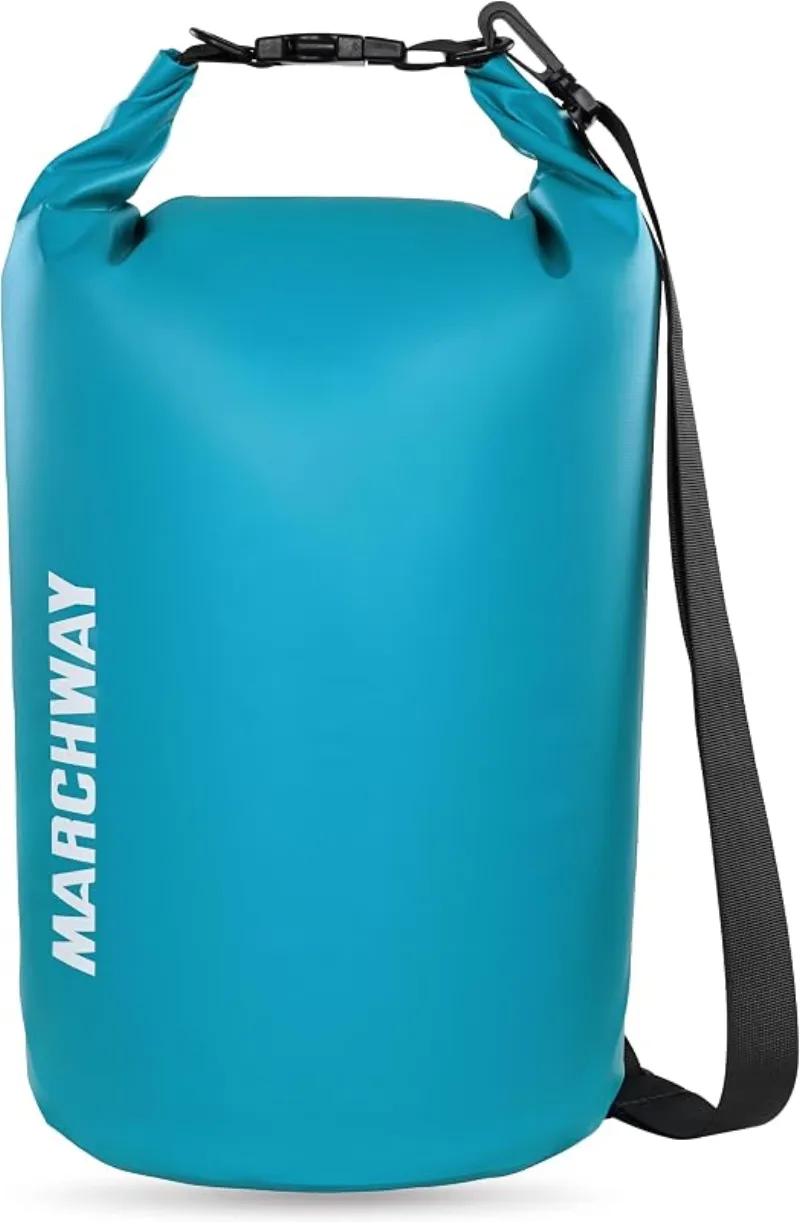
Budget pick Floating Waterproof Dry Bag MARCHWAY $15 approx.5 / 10 / 20 / 30 L500D PVCYesValue seekers View on
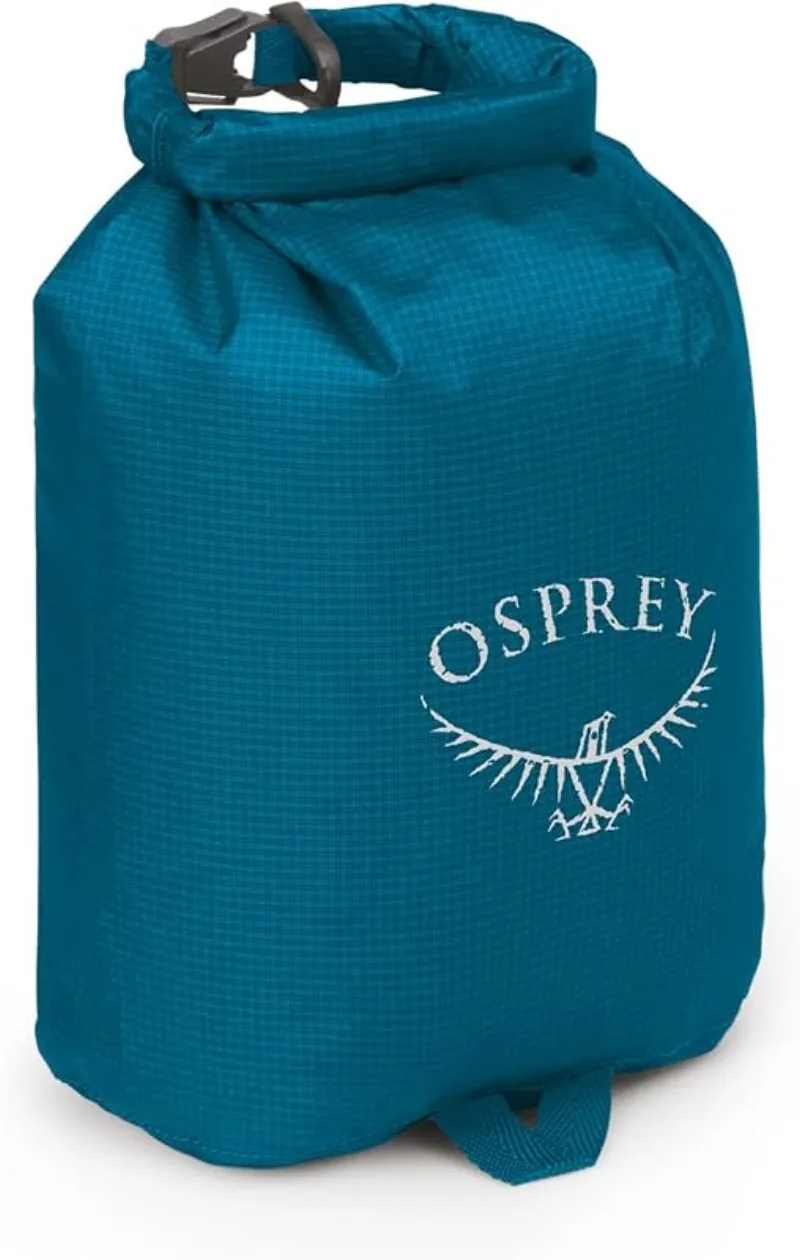
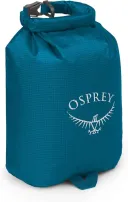
Ultralight Dry Sack Osprey $25 approx.3–35 L40D nylonYesMinimalists View on
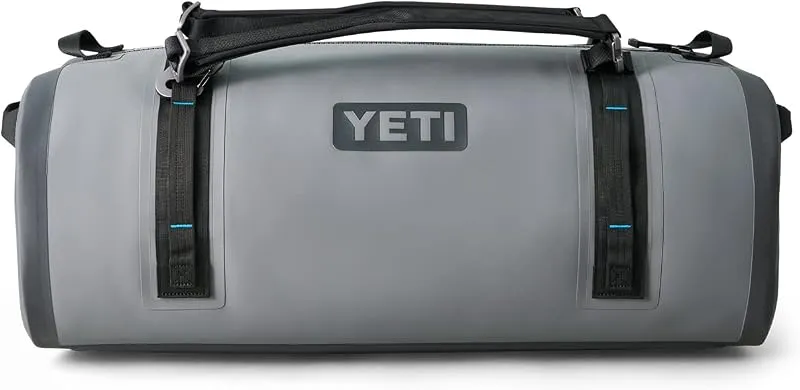
Premium Panga Submersible Duffel YETI $300 approx.28 / 50 / 75 LThick TPU laminateNo (fully sealed)Hardcore trips View on

Product details

Best overall

Earth Pak Waterproof Dry Bag
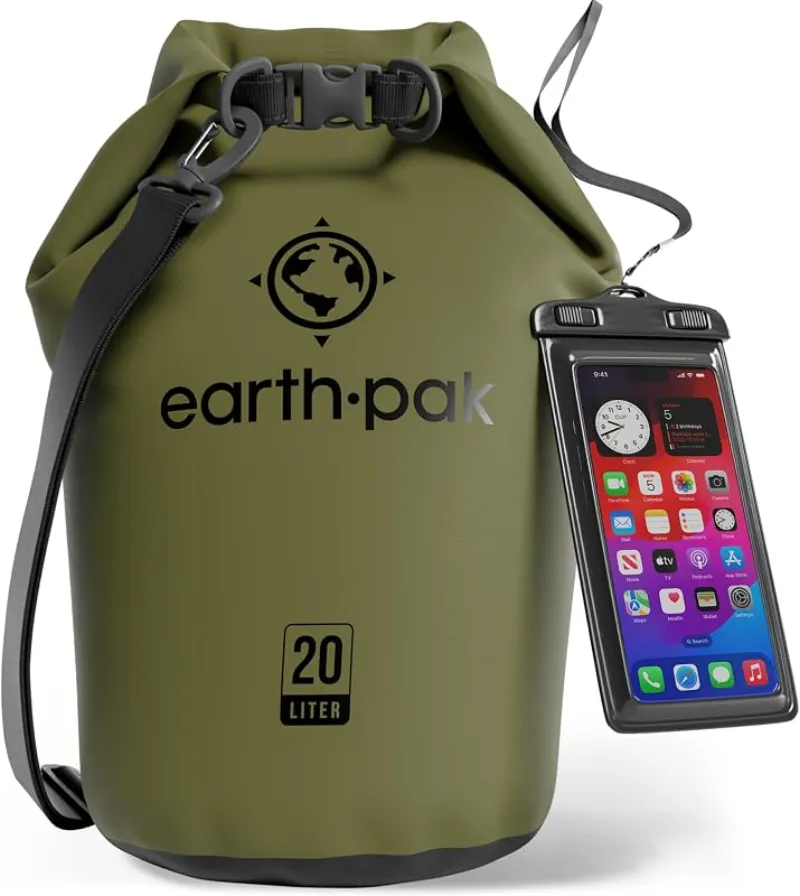
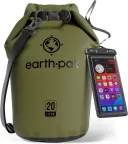
Earth Pak hits the sweet spot of price, durability, and features. The bundled phone case alone is worth the price of entry, and the burly 500D PVC shrugs off rocks and roots.

Features

  • Heavy 500D PVC body with welded seams — no stitching to leak
  • Roll-top closure with a sturdy buckle and shoulder strap
  • Included waterproof phone case clips to the outside
  • Five sizes from a 10 L day bag to a 55 L haul bag

Pros and cons

Pros Cons
Excellent build quality for the price Not meant for prolonged submersion
Comfortable padded shoulder strap on larger sizes PVC is a touch heavy vs. ultralight nylon
Stays afloat when properly sealed

Activities and environments best for

  • Day at the swimming hole
  • Kayak and SUP trips
  • Beach days

Overall

For most swimmers, the Earth Pak is the easy default — tough, affordable, and it comes with the phone case you were going to buy anyway.
Customer reviews

4.8 out of 5

32,810 global ratings

5 star 85%
4 star 11%
3 star 3%
2 star 0%
1 star 1%
Best ultralight

Sea to Summit Ultra-Sil Dry Sack

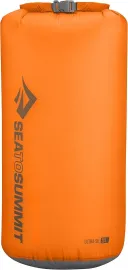
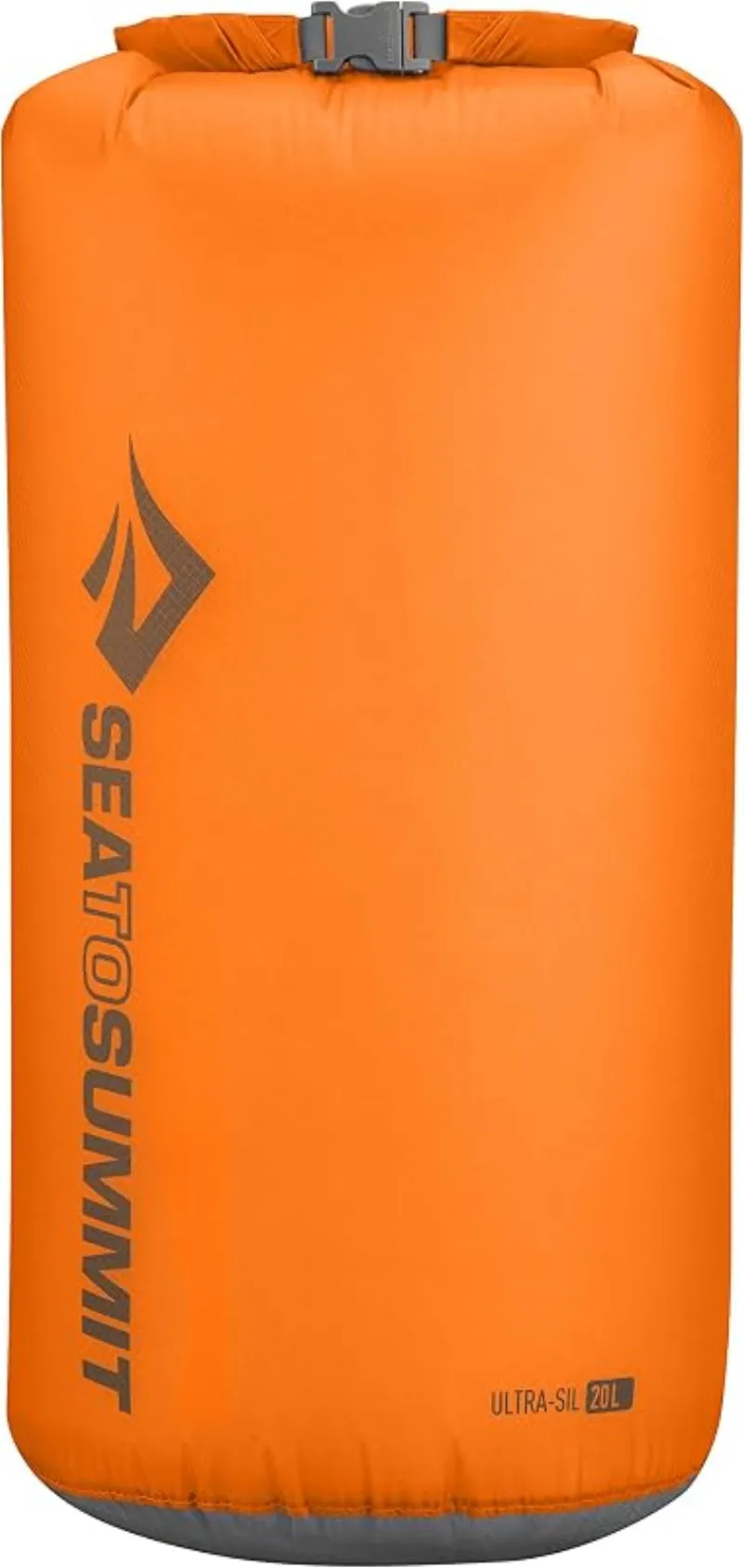
When every ounce and every cubic inch counts, the Sea to Summit Lightweight Dry Sack packs down to nothing and keeps gear dry inside a larger pack.

Features

  • Siliconized 70D nylon — abrasion resistant yet very light
  • Hypalon roll-top with a low-bulk field-repairable buckle
  • Oval base sits flat and packs efficiently
  • Wide size range for organizing gear by category

Pros and cons

Pros Cons
Extremely light and compressible No shoulder strap
Great as an internal organizer Thin fabric is less puncture-proof than PVC
Durable fabric

Activities and environments best for

  • Backpacking to remote holes
  • Internal pack organization

Overall

The bag to reach for when you are hiking miles to a hidden spot and want waterproofing without the weight.

Customer reviews

4.8 out of 5

1,643 global ratings

5 star 87%
4 star 8%
3 star 2%
2 star 1%
1 star 2%
Budget pick

MARCHWAY Floating Waterproof Dry Bag

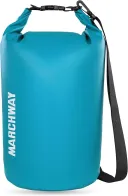
MARCHWAY’s floating dry bag delivers genuine waterproofing and a shoulder strap at a price that undercuts most competitors — a smart pick for occasional swimming-hole trips.

Features

  • 500D PVC with welded seams
  • Roll-top buckle closure
  • Shoulder strap for carrying
  • Stays afloat when sealed with air inside

Pros and cons

Pros Cons
Excellent price Stiff compared to nylon sacks
Floats when properly sealed No phone case included
Durable PVC

Activities and environments best for

  • Day trips
  • Kayaking
  • Budget-conscious swimmers

Overall

Hard to beat for the money when you need a reliable dry bag fast.

Customer reviews

4.7 out of 5

34,033 global ratings

5 star 84%
4 star 12%
3 star 3%
2 star 0%
1 star 1%

Osprey Ultralight Dry Sack

Osprey’s ultralight dry sack uses featherweight 40D nylon to keep packed weight down while still sealing out splashes and rain on the trail to the water.

Features

  • 40D ripstop nylon — among the lightest dry sacks available
  • Roll-top with a low-profile buckle
  • Oval base packs efficiently in a backpack
  • Multiple sizes for organizing gear

Pros and cons

Pros Cons
Extremely light No shoulder strap
Trusted Osprey quality Thin fabric needs care on sharp rock
Packs down tiny

Activities and environments best for

  • Ultralight backpacking
  • Internal pack organization
  • Weight-conscious hikers

Overall

The dry sack to choose when ounces matter on the hike in.

Customer reviews

4.8 out of 5

2,111 global ratings

5 star 88%
4 star 7%
3 star 2%
2 star 1%
1 star 2%
Premium

YETI Panga Submersible Duffel

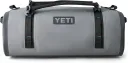
The YETI Panga is a fully submersible duffel built like a dry suit — overkill for a day at the swimming hole, but unbeatable when gear absolutely cannot get wet.

Features

  • Thick, laminated TPU shell with a HydroLok zipper
  • Fully submersible when closed correctly
  • Bombproof construction survives abuse
  • Multiple carry handles and a shoulder strap

Pros and cons

Pros Cons
Truly waterproof and submersible Very expensive
Extremely durable Heavy and bulky
Holds a huge load Overkill for casual trips

Activities and environments best for

  • Whitewater trips
  • Boat-based adventures
  • Gear that must stay 100% dry

Overall

Buy it once if you need expedition-grade waterproofing — otherwise save your money.

Customer reviews

4.6 out of 5

392 global ratings

5 star 86%
4 star 4%
3 star 3%
2 star 4%
1 star 3%

Dry Bags FAQ

How big a dry bag do I need for a swimming hole hike?

For phone, keys, wallet, and a snack, 5–10 L is plenty. Add a towel and dry clothes and step up to 20 L. Size slightly larger than you think — the roll-top closure uses a few liters of space.

How do you properly roll and seal a dry bag?

Fill the bag no more than three-quarters full, squeeze out excess air, fold the top over itself at least three tight times, then buckle snugly. Loose folds are the main reason dry bags leak — a tip repeated often on kayaking and hiking Reddit threads.

Are dry bags fully waterproof?

Roll-top dry bags survive splashes and brief dunks when sealed correctly. For prolonged submersion or electronics you care about, use a submersible-rated bag or double-bag valuables in a small waterproof pouch inside.

Will a dry bag float if I drop it in the water?

Yes — a properly rolled dry bag traps air and floats, which is handy on river crossings or if it slips off a kayak. Do not squeeze out all the air before sealing unless you need the smallest packed size.

Dry bag vs waterproof backpack — which is better?

A roll-top dry bag is simpler, cheaper, and easier to fully waterproof for river crossings. A waterproof daypack is more comfortable to carry on long hikes but often relies on zippers and seams that are only splash-resistant unless it is a true dry-pack design.