Best first aid kits for swimming trips

Be ready for slips, cuts, and stings far from help

Swimming holes are often a long way from the nearest clinic, and wet rock means scrapes, stubbed toes, and the occasional deeper cut. A compact, waterproof first aid kit handles the small stuff and buys time for the serious stuff. We compared waterproof outdoor kits and comprehensive family kits for trips off the grid.

First Aid Kits comparison chart

Product PricePiecesWaterproofSizeBest for Buy
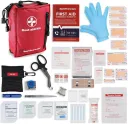
Best for the trail Waterproof First Aid Kit Rhino Rescue $25 approx.~120Yes (sealed case)CompactHiking in View on
Best organized Small First Aid Kit Surviveware $30 approx.100Water-resistantCompactDay trips View on
Best value 300-Piece First Aid Kit TLIEAO $20 approx.300NoMediumCar / base camp View on
Premium Sidekick First Aid Kit My Medic $60 approx.~70 (advanced)Water-resistantCompactSerious trip prep View on
125-Piece Travel First Aid Kit Be Smart Get Prepared $12 approx.125NoCompactGlovebox backup View on

Product details

Best for the trail

Rhino Rescue Waterproof First Aid Kit
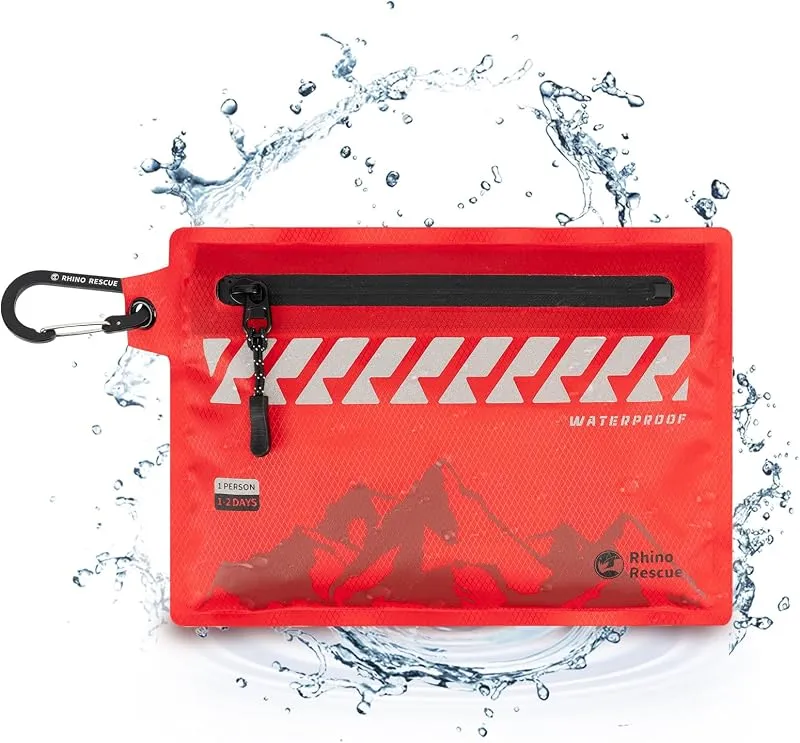
This compact kit seals inside a hard, water-resistant EVA shell, so the supplies survive a creek crossing or a rain-soaked pack and stay ready when you need them.

Features

  • Hard EVA shell shrugs off water, dust, and crushing
  • Curated supplies for cuts, sprains, blisters, and pain
  • Elastic loops and mesh pockets keep items organized
  • Light and slim enough to live in your daypack permanently

Pros and cons

Pros Cons
Tough, water-resistant case Smaller bandage quantities
Sensible trail-focused contents No major trauma supplies
Compact and light

Activities and environments best for

  • Hike-in swimming holes
  • Backpacking
  • Solo trips

Overall

The kit to leave clipped in your pack so you are never caught without it on the trail.
Customer reviews

4.7 out of 5

395 global ratings

5 star 78%
4 star 16%
3 star 4%
2 star 2%
1 star 0%
Best organized

Surviveware Small First Aid Kit

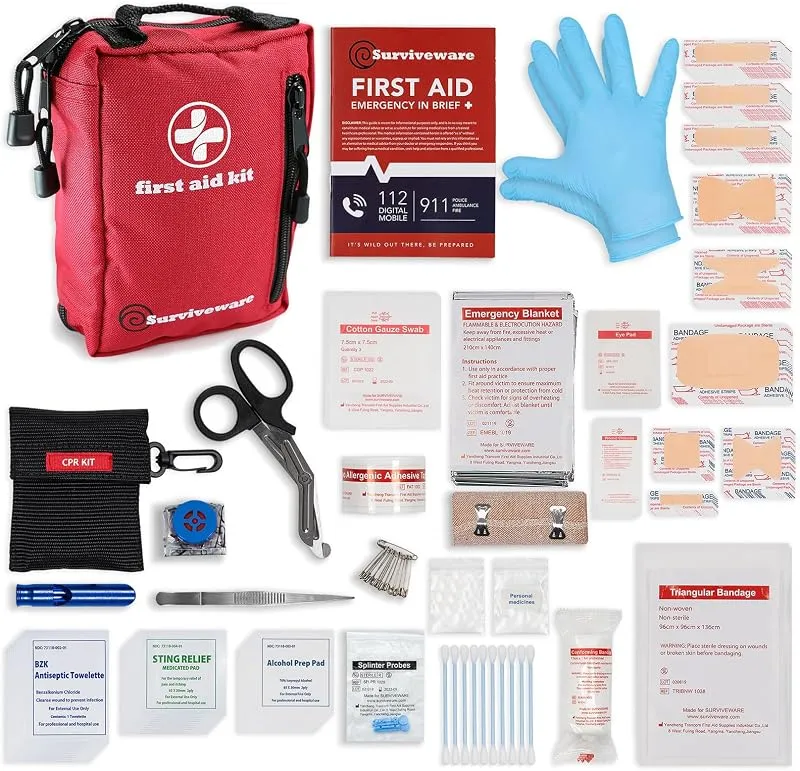
Surviveware’s kit is loved for its labeled, removable interior pockets that make finding the right item fast, plus a durable laminate shell that handles splashes.

Features

  • Labeled MOLLE-compatible pouch
  • Removable mini-kit for short outings
  • Laminate exterior resists water and abrasion
  • Includes a CPR mask and emergency blanket

Pros and cons

Pros Cons
Excellent organization Not fully submersible
Tough exterior Some refill items are basic
Attaches to a pack

Activities and environments best for

  • Family day trips
  • Car kit
  • Everyday carry

Overall

If you value being able to grab the right item instantly, the labeled pockets are worth it.

Customer reviews

4.8 out of 5

6,864 global ratings

5 star 85%
4 star 12%
3 star 3%
2 star 0%
1 star 0%
Best value

TLIEAO 300-Piece First Aid Kit

TLIEAO’s 300-piece kit packs a wide range of bandages, tools, and medications into an organized case — a solid car or base-camp kit for swimming-hole days with a crowd.

Features

  • 300 pieces covering common injuries
  • Organized compartments by item type
  • Includes scissors, tweezers, and gloves
  • Compact hard-shell case

Pros and cons

Pros Cons
Lots of supplies for the price Case is not waterproof
Well organized Some items are generic quality
Good for groups

Activities and environments best for

  • Car trunk storage
  • Base camp
  • Group day trips

Overall

Stock the car once and cover most trail-day mishaps.

Customer reviews

4.6 out of 5

177 global ratings

5 star 84%
4 star 7%
3 star 5%
2 star 1%
1 star 3%
Premium

My Medic Sidekick First Aid Kit

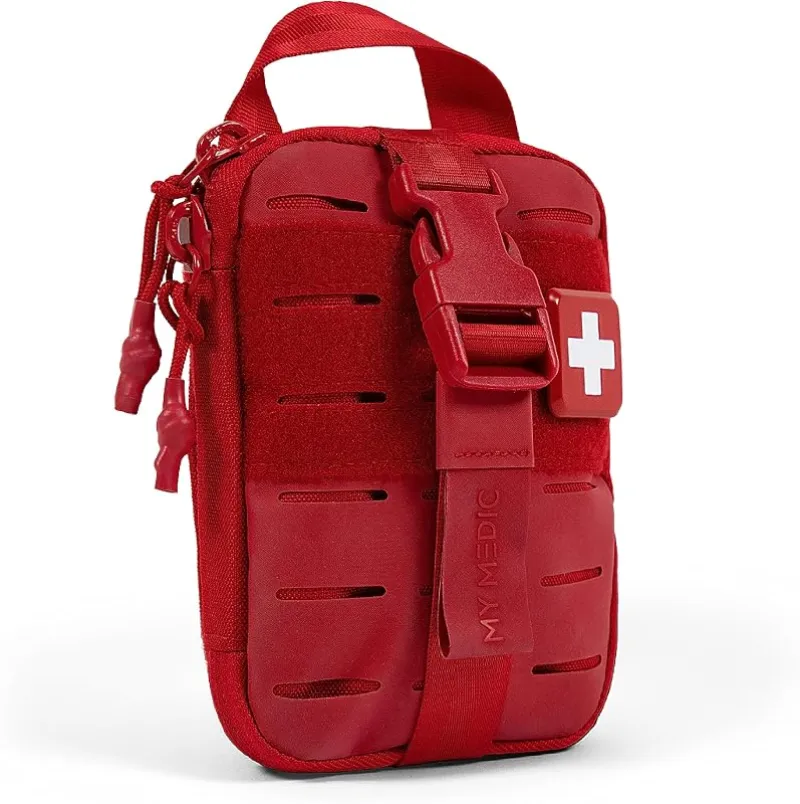
My Medic’s Sidekick is a compact kit curated for outdoor adventures with higher-quality supplies than drugstore kits — a smart upgrade for regular swimming-hole explorers.

Features

  • Curated outdoor-focused supplies
  • Water-resistant zippered pouch
  • Includes trauma shears and a CPR mask
  • Organized interior layout

Pros and cons

Pros Cons
Higher-quality components Not fully waterproof
Thoughtful outdoor selection Premium price for the size
Compact but capable

Activities and environments best for

  • Regular outdoor swimmers
  • Remote trailheads
  • Serious day hikers

Overall

Worth the upgrade when you are miles from the nearest pharmacy.

Customer reviews

4.8 out of 5

74 global ratings

5 star 86%
4 star 11%
3 star 3%
2 star 0%
1 star 0%

Be Smart Get Prepared 125-Piece Travel First Aid Kit

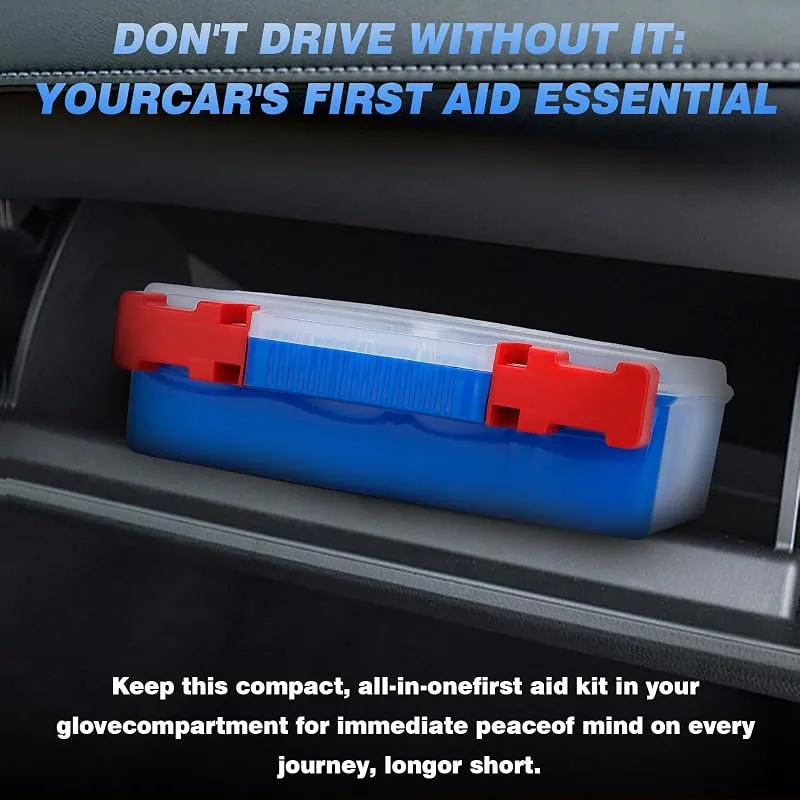
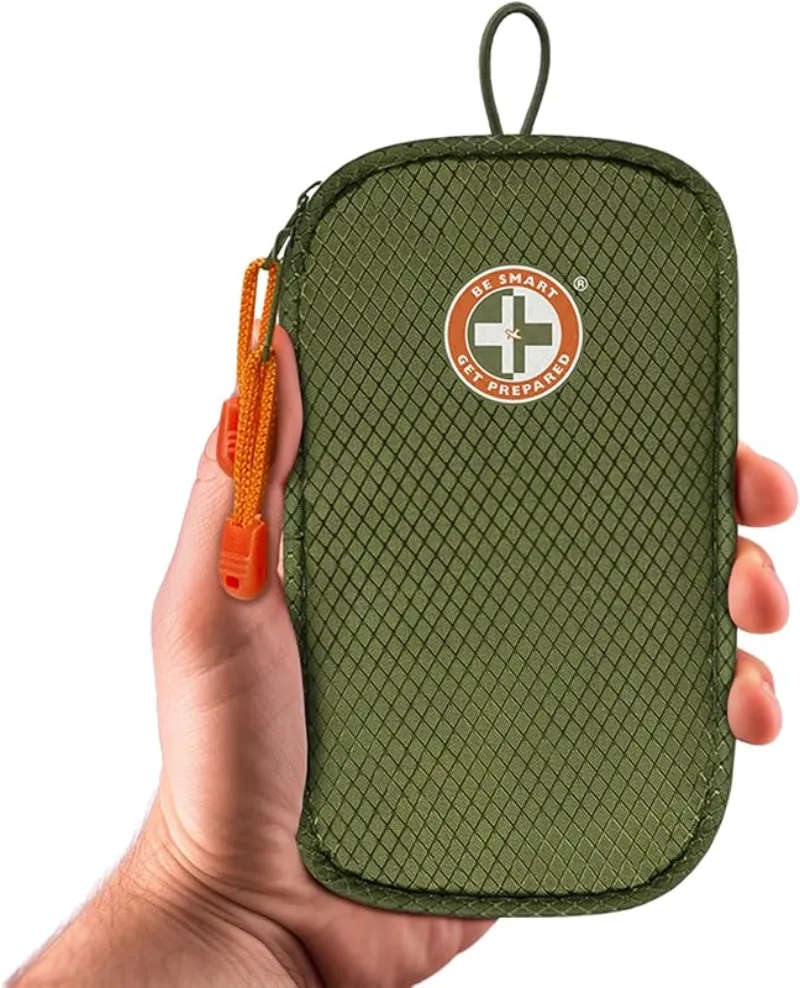
Be Smart Get Prepared’s travel kit is a compact, affordable stash of basics for cuts, scrapes, and blisters — perfect as a glovebox backup for spontaneous swim stops.

Features

  • 125 pieces in a compact case
  • Includes bandages, gauze, and antiseptic wipes
  • Lightweight and easy to stash
  • Clear organization for quick access

Pros and cons

Pros Cons
Very affordable Not waterproof
Compact for a car or bag Basic supply quality
Covers everyday injuries

Activities and environments best for

  • Glovebox backup
  • Casual day trips
  • Secondary kit

Overall

Cheap peace of mind to leave in the car year-round.

Customer reviews

4.7 out of 5

40,135 global ratings

5 star 80%
4 star 13%
3 star 5%
2 star 1%
1 star 1%

First Aid Kits FAQ

What should a swimming-hole first aid kit include?

Prioritize waterproof bandages, gauze and tape for deeper cuts, antiseptic wipes, blister care, tweezers for splinters, pain relievers, and any personal medication. Add an emergency blanket and a way to call for help.

Does my first aid kit need to be waterproof?

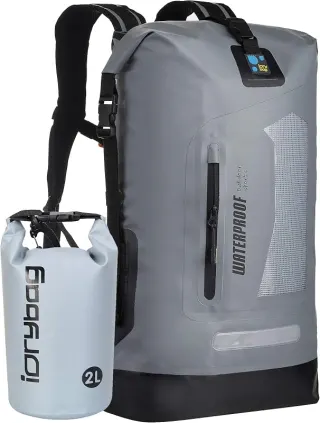
Ideally yes — supplies are useless if they are soaked. A waterproof or water-resistant kit, or a standard kit stored inside a dry bag, keeps everything usable on wet trails and river crossings.

What injuries are most common at swimming holes?

Cuts from sharp rock, slips on algae, blisters from the hike in, sunburn, and stings from insects or aquatic plants top the list. A compact kit sized for day trips handles all of these without weighing down your pack.

Should I bring a first aid kit if I am only going for a few hours?

Yes. Most trail and swimming-hole incidents happen on short, familiar trips — not multi-day expeditions. A palm-sized kit adds minimal weight and covers the injuries you are most likely to see.

How often should I restock my first aid kit?

Check it at the start of each season and after any trip where you used items. Replace anything used and check expiration dates on medications and antiseptics.