Best wetsuits for cold freshwater swimming

Stay in spring-fed water longer than five minutes

Wetsuits comparison chart

ProductPrice tierThicknessCutEntryBest forBuy
Best overallReactor-2 3/2 mm Back Zip Full WetsuitO'NeillMid-range3/2 mmFull suitBack zipMost cold-water swimmersCheck price on
Best for snorkellingMen's Ultraspan 3 mm WetsuitCressiMid-range3 mmFull suitBack zipSnorkelling and divingCheck price on
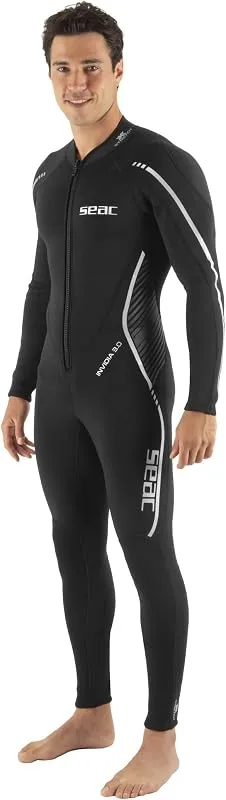
Invidia 3 mm Ultrastretch One-Piece WetsuitSEACMid-range3 mmOne-pieceNot listedMaximum stretchCheck price on
Men's Volution 3/2 mm Triathlon WetsuitSynergyPremium3/2 mmFull sleeveYKK zipOpen-water swimmingCheck price on
Toughest buildRescue Neoprene Kayak WetsuitNRSPremium3 mmFull suitFront zipRocky, abrasive waterCheck price on
How we chose these picks

We have not lab-tested every product on this page. Picks are shortlisted from popular, widely available options, then filtered for swimming-hole use: wet rocks, river crossings, hike-in access, and a day away from the car. We cross-check manufacturer specs, read recurring complaints in buyer reviews (leaks, seams, sizing, durability), and drop anything with a pattern of safety or reliability problems.

“Price tier” compares items within this list only. Prices change often, so check the current price on the retailer before you buy. We earn a commission on qualifying purchases; it does not change our picks. See our editorial policy.

Quick pick: A 3/2 mm full wetsuit covers most summer freshwater between 55 and 68°F. Below 55°F step up to 4/3 mm with boots; above 70°F a shorty is usually enough.

Spring pools and mountain creeks run cold all summer — often in the 50s Fahrenheit, cold enough that a swim becomes a dare rather than a swim. A 3 mm full suit turns those places into somewhere you can actually spend an hour. We compared full suits in the range that suits cold freshwater swimming, snorkelling and paddling rather than winter surfing.

Product details

Best overall

O'Neill Reactor-2 3/2 mm Back Zip Full Wetsuit

The Reactor-2 is the wetsuit most people should buy: a recognised surf brand, a large and consistently positive review base, and 3/2 mm thickness that covers cold spring pools without turning every swim into a wrestling match.

Features

  • 3 mm core with 2 mm arms and legs for flexibility
  • Back zip entry that is easy to manage alone
  • Full-length coverage for legs and arms
  • Sized across a wide adult range
  • Built for surfing, paddleboarding and kayaking

Pros and cons

ProsCons
Best combination of price, brand and review base hereBack zips flush more water than chest zips
Flexible enough to swim properly inSizing runs snug — size up if you are between
Back zip is the easiest to get into unaided

Activities and environments best for

  • Spring-fed pools
  • Mountain creeks
  • Early and late season swims

Overall

Start here. For freshwater swimming holes it is the right thickness at the right price.

Best for snorkelling

Cressi Men's Ultraspan 3 mm Wetsuit

Cressi builds this for diving, which shows in the details — Ultraspan neoprene at the arms and legs for range of motion, and an Aquastop flap behind the zip to cut the cold water trickling down your spine.

Features

  • 3 mm premium neoprene one-piece construction
  • Ultraspan neoprene arms and legs for free movement
  • Dorsal YKK zipper with Aquastop flap
  • Anatomical cuts to suit different body shapes
  • Highest star rating in this comparison

Pros and cons

ProsCons
Strongest buyer feedback of any suit on the pageFull 3 mm arms are stiffer than a 3/2 for swimming crawl
Aquastop flap noticeably reduces flushingCut for diving rather than surfing mobility
Diving pedigree at a swimming-suit price

Activities and environments best for

  • Snorkelling clear springs
  • Long slow swims
  • Rocky entries

Overall

The best-reviewed option, and the one to pick if you snorkel more than you swim laps.

SEAC Invidia 3 mm Ultrastretch One-Piece Wetsuit

SEAC’s Invidia is built entirely from ultrastretch neoprene rather than using stretch panels only at the limbs, which is why it feels softer than its thickness suggests. It is sold in both men’s and women’s fits.

Features

  • Ultrastretch neoprene throughout the suit
  • One-piece construction
  • Available in men’s and women’s cuts
  • Marketed for swimming, snorkelling and watersports
  • Soft, low-restriction feel for a 3 mm suit

Pros and cons

ProsCons
Full-body stretch neoprene, not just panelsNo customer ratings on this listing yet
Available in both men’s and women’s fitsEntry style and seam construction not specified
Comfortable for long sessions

Activities and environments best for

  • Swimmers who dislike stiff suits
  • Snorkelling
  • Warmer cold-water days

Overall

Appealing on paper, but unrated — the O’Neill and Cressi are safer buys.

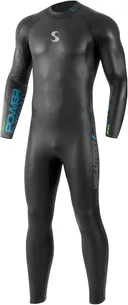
Synergy Men's Volution 3/2 mm Triathlon Wetsuit

A triathlon suit rather than a watersports suit: more buoyancy, high-stretch shoulder panels, and a cut designed for front-crawl mileage. Buyer feedback is the weakest here, largely on fit and durability complaints.

Features

  • Buoyancy tuned for open-water swimming
  • PowerMAX high-stretch arm panels
  • Soft neck lining to reduce chafing
  • Zero-drag YKK zipper
  • Full-sleeve triathlon cut

Pros and cons

ProsCons
Genuine swim-specific buoyancy and shoulder mobilityWeakest buyer feedback on the page
Soft neck is kinder on long swimsMost expensive of the 3/2 mm suits
Best choice for distance freshwater swimmingDelicate compared with a surf suit on rocky entries

Activities and environments best for

  • Distance swimming
  • Triathlon training
  • Deep open water

Overall

Only if you are swimming distance — read the critical reviews on sizing first.

Toughest build

NRS Rescue Neoprene Kayak Wetsuit

Built for swiftwater rescue work, so it is armoured where a swimming-hole suit actually wears out — moulded knees and shin plates for scrambling over rock, and a front zip you can operate with cold hands.

Features

  • 3 mm Terraprene neoprene with Titanium Powerspan shoulders
  • Glued and blind-stitched seams
  • YKK double-pull front zipper
  • Wrist and ankle zippers for easy entry
  • Moulded polyurethane knee and shin armour

Pros and cons

ProsCons
By far the most durable suit hereMore than twice the price of the O’Neill
Blind-stitched seams leak far less than flatlockOnly three ratings on the listing
Knee and shin armour survives rock scramblingHeavier and stiffer than a swimming suit

Activities and environments best for

  • Canyon approaches
  • Rocky creek beds
  • Frequent hard use

Overall

Overkill for most swimmers, exactly right if your spots involve scrambling.

Wetsuits FAQ

What thickness wetsuit do I need for a swimming hole?

A 3/2 mm full suit covers most summer freshwater in the 55–68°F range. Below about 55°F you want 4/3 mm plus boots and a hood; above about 70°F a shorty or a swim skin is usually enough.

How tight should a wetsuit be?

Snug everywhere with no loose pockets at the lower back or behind the knees, but you should still be able to breathe deeply and raise both arms. A loose suit flushes cold water through and does nothing to keep you warm.

Back zip, chest zip, or front zip?

Back zips are cheapest and easiest to get into alone but flush the most water. Chest and front zips seal better and suit longer swims, at more money and more of a struggle to put on.

Will a wetsuit help me float?

Yes — neoprene is buoyant, which is why triathlon suits are regulated. That extra float is helpful in deep water but it is not a substitute for a life jacket in current.

How do I look after a wetsuit?

Rinse it in fresh water after every swim, especially after silty rivers, and dry it inside out in shade. Hang it over a wide hanger rather than a wire one, and never leave it folded wet in a car boot.

Get Our Free Guide to 20 Natural Swimming Holes

Hand-picked spots with directions, fees, and safety notes — delivered straight to your inbox.