CreekMD
Camp Harding Park
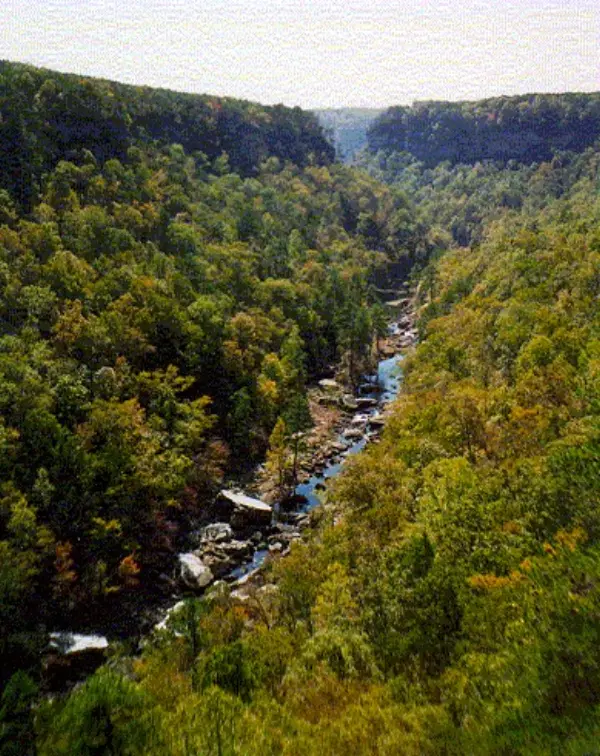
The creek winds through a corridor of overhanging trees and native vegetation, carving out a cool, clear refuge from the summer heat. This isn't a managed beach or a designated swim zone.
View detailsThis page lists 6 creek swimming holes in Maryland, where the swim season runs late may through september. Open each listing for directions, fees, and current conditions before you travel.
Maryland has 6 documented creek swimming holes in this directory — a creek swimming hole is a smaller stream or brook pool — usually shaded, shallower, and several degrees colder than nearby lakes. The Maryland swim season runs Late May through September, peaking June to August. Access points cluster near Hagerstown, Berkeley Springs (wv), Pecktonville, Hancock, and Cumberland. Every listing below links to a full page with directions, fee notes, access rules, and safety context.
Sort live from your phone with near me, browse all U.S. creek swimming holes, or open the Maryland state page.
Guides: Maryland swimming holes guide · Swimming holes near Baltimore
The creek winds through a corridor of overhanging trees and native vegetation, carving out a cool, clear refuge from the summer heat. This isn't a managed beach or a designated swim zone.
View detailsGreen Ridge State Forest sprawls across more than 46,000 acres in the Ridge and Valley province of the Appalachians, and it shows. Steep forested ridges give way to narrow hollows carved by streams, and exposed sandstone and shale formations jut from the hillsides like the bones of the land itself.
View detailsGunpowder Falls State Park Central Swimming Areas is a creek swimming spot near Baltimore, Maryland. What people come for: Natural swimming at Long Green Creek; Unique geological features. Access is free, and there are no facilities on site. Best visited in Spring. Always enter unknown water feet-first.
View detailsGunpowder Falls State Park Hereford Area Swimming Holes lies in Maryland, where Big Gunpowder Creek moves through a wooded corridor. The Big Gunpowder Creek winds through a dramatic river corridor flanked by hemlocks, sycamores, and rhododendron thickets, carving out a series of deep, cold pools.
View detailsYou won't find crowds, snack bars, or roped-off swim zones here. Just the sound of moving water, the rustle of leaves overhead, and the kind of unhurried peace that's increasingly hard to come by this close to a major metropolitan area.
View detailsDeer Creek winds through the park like a living ribbon, cold and clear, carving out a series of . The park offers not just one spot but three distinct places to get into the water, each with its own personality and appeal.
View detailsCunningham Falls and the Catoctin ridge, the Savage and Youghiogheny corridors in the far west, and Rocks State Park's Deer Creek closer to Baltimore.
In this directory, Camp Harding Park, Green Ridge State Forest Swimming Spots, and Gunpowder Falls State Park Central Swimming Areas are among the creek spots we document in Maryland. The full list below reaches Hagerstown, Berkeley Springs (wv), Pecktonville, Hancock, Cumberland, Little Orleans, Baltimore, and Perry Hall.
Piedmont creeks run cool over bedrock; western rivers are colder and pushier.
Creeks respond to rain within hours rather than days, so recent local rainfall matters far more than the weekly forecast. A creek that was knee-deep on Friday can be waist-deep and pushy on Saturday.
In late summer many creek pools drop too low to swim. If the gauge upstream reads near its seasonal minimum, expect wading rather than swimming.
Shade is what keeps creek water cold. Canopy-covered pools stay in the 60s°F through July in most of the country, which is refreshing on a hot day and genuinely cold on an overcast one.
In Maryland, the Maryland Department of the Environment publishes the water-quality and algal-bloom advisories that apply to these waters. Check them alongside the live gauge data rather than instead of it.
Flash flooding is the dominant creek hazard, especially in narrow gorges and canyons. Rain miles upstream under a clear sky above you is enough. If the water turns brown or you hear a change in sound, get to high ground immediately rather than back to your gear.
Creek beds are slick with algae-covered cobble and hide sharp debris. Most creek injuries are cuts, ankle rolls, and falls rather than drownings.
Never jump into a creek pool you have not entered feet-first first. Gravel shifts every season, so last year's depth is not this year's depth.
Deer Creek and the Gunpowder run fast after rain and both have drowning histories at popular ledges. Maryland also closes swimming areas on bacteria exceedances after storms — check before driving out.
Cold water deserves more respect than most swimmers give it. The National Weather Service notes that cold shock can be as severe at 50-60°F as at 35°F, and that the involuntary gasp reflex can be triggered by water as warm as 77°F — which is why entering slowly matters even on a hot day.
Maryland swims late may through september, with the most reliable water june to august. Western Maryland mountain water warms late; the tidewater swims from May.
Creeks are best from late spring through midsummer and often run too low to swim by late August.
6 of these listings carry their own best-time note from the land manager or from reader reports — open them for the specifics rather than relying on the state-wide window alone.
What to bring: Closed-toe water shoes with real grip, and a small first-aid kit — cut feet are the standard creek injury.
We document 6 creek swimming holes in Maryland. That is the number with enough verified detail — access, directions, and conditions — to publish, not the total number that exist. They cluster near Hagerstown, Berkeley Springs (wv), Pecktonville, and Hancock.
Late May through September, with the best conditions june to august. Western Maryland mountain water warms late; the tidewater swims from May. Creeks are best from late spring through midsummer and often run too low to swim by late August.
Of the 6 listed here, 5 free, 1 fee or park admission. Fees are usually a state park or day-use charge rather than a swimming charge, and they change season to season — open the individual listing before you drive.
Three things: the live flow or level at the nearest USGS gauge, the current advisories from the Maryland Department of the Environment, and the forecast for anywhere upstream of you. Deer Creek and the Gunpowder run fast after rain and both have drowning histories at popular ledges. Maryland also closes swimming areas on bacteria exceedances after storms — check before driving out.
Generally no, not straight away. Runoff raises the current, pushes new debris into familiar pools, and spikes bacteria counts. Give moving water 24 to 48 hours to clear after heavy rain. In narrow gorges the bigger risk is flash flooding — rain miles upstream under a clear sky above you is enough to raise the water fast.