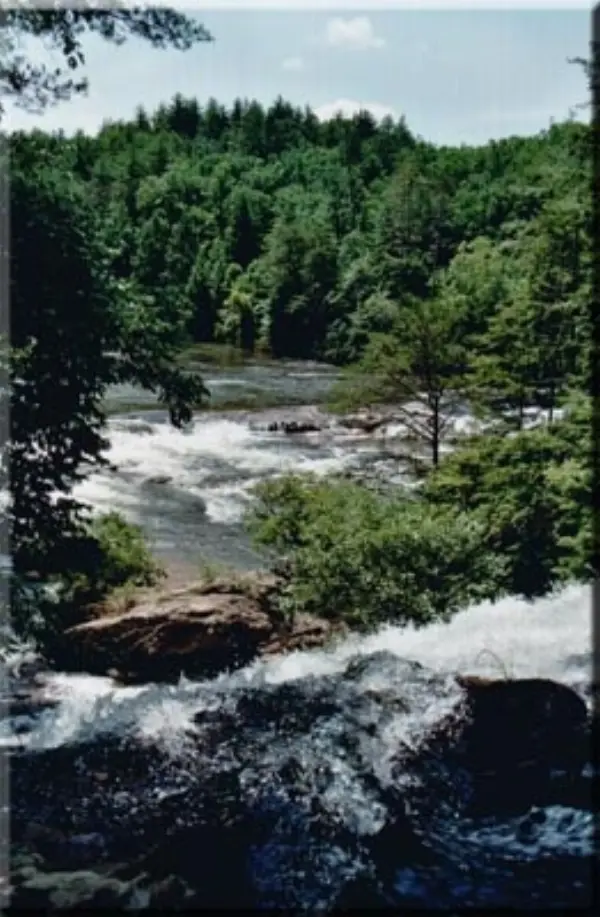
Nevada has 2 documented river swimming holes in this directory — a river swimming hole is a deep bend, eddy, or slack-water pool in moving water — the pocket beside the current rather than the current itself. The Nevada swim season runs April through October in the desert; July to August in the mountains, peaking May to September. Access points cluster near Las Vegas, Henderson, Boulder City, Reno, and Verdi. Every listing below links to a full page with directions, fee notes, access rules, and safety context.
Sort live from your phone with near me, browse all U.S. river swimming holes, or open the Nevada state page.
Where the river swimming is in Nevada
Hot springs across the Great Basin and the Gold Strike and Arizona Hot Springs canyons below Hoover Dam, plus Lake Tahoe and Lake Mead beaches.
In this directory, Goldstrike Canyon Hot Springs And Colorado River Spots and Reno-verdi Truckee River Swimming Spots are among the river spots we document in Nevada. The full list below reaches Las Vegas, Henderson, Boulder City, Reno, and Verdi.
Tahoe holds 60-68°F even in August; desert springs range from pleasant to dangerously hot at the source.
Reading conditions before you go
Check the nearest USGS gauge before you drive. Flow in cubic feet per second tells you more than any photograph: a stretch that is a calm green pool at 200 cfs can be an unswimmable chute at 900 cfs.
Give a river 24 to 48 hours after heavy rain. Runoff raises both the current and the bacteria count, and it pushes new strainers — submerged trees and branches — into places that were clear last weekend.
Read the surface. Smooth, glassy water moving fast is stronger than choppy water. A line of foam or debris shows you where the main current runs; swim on the inside of the bend, not the outside where the channel scours deep.
In Nevada, the Nevada Division of Environmental Protection publishes the water-quality and algal-bloom advisories that apply to these waters. Check them alongside the live gauge data rather than instead of it.
River safety in Nevada
If the current takes you, do not try to stand up. Foot entrapment in moving water is a common drowning mechanism. Roll onto your back, point your feet downstream to fend off rocks, and ferry across the current at an angle rather than fighting it head-on.
Strainers are the river hazard people underestimate — a fallen tree lets water through and holds a body against it. Stay well upstream of any woody obstruction.
Avoid swimming below low-head dams entirely. The recirculating hydraulic at the base is uniform across the width and is very difficult to escape.
The Hoover Dam hot spring canyons close each summer because of lethal heat — hikers die on that approach nearly every year. Source pools at undeveloped springs can exceed 140°F; always test downstream, never at the vent.
Cold water deserves more respect than most swimmers give it. The National Weather Service notes that cold shock can be as severe at 50-60°F as at 35°F, and that the involuntary gasp reflex can be triggered by water as warm as 77°F — which is why entering slowly matters even on a hot day.
When to go
Nevada swims april through october in the desert; july to august in the mountains, with the most reliable water may to september. Desert hot springs are best in the cool months, not high summer.
Rivers peak in danger during runoff and peak in quality in late summer, when flow drops and pools clear and warm.
2 of these listings carry their own best-time note from the land manager or from reader reports — open them for the specifics rather than relying on the state-wide window alone.
What to bring: Sticky-soled water shoes, a dry bag, and a throw rope if your group swims regularly in current.
How we research listings · Report a correction · Safety disclaimer