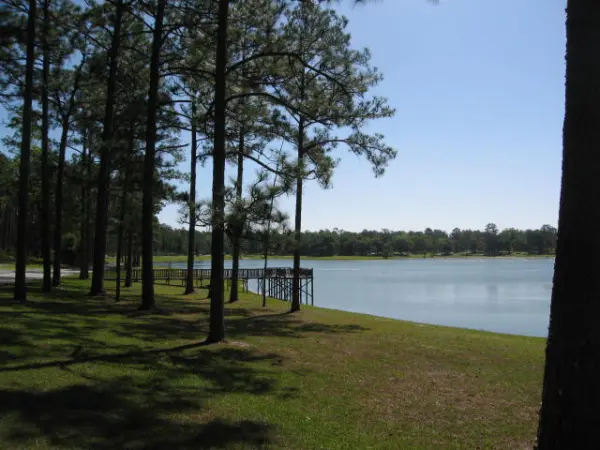
QuarryOR
The Quarry
THE QUARRY is a quarry destination on Quarry in OR near Medford, Ashland. Fee note: None. Confirm current access and conditions before you go — no lifeguards at informal spots.
View detailsThis page lists 1 quarry swimming hole in Oregon, where the swim season runs late june through september. Open each listing for directions, fees, and current conditions before you travel.
Oregon has 1 documented quarry swimming hole in this directory — a quarry swimming hole is a flooded former extraction pit — very deep, unusually clear, and sharply stratified between a warm surface layer and cold water below. The Oregon swim season runs Late June through September, peaking July to early September. Access points cluster near Medford and Ashland. Every listing below links to a full page with directions, fee notes, access rules, and safety context.
Sort live from your phone with near me, browse all U.S. quarry swimming holes, or open the Oregon state page.
Guides: Oregon swimming planning guide · Swimming holes near Portland
THE QUARRY is a quarry destination on Quarry in OR near Medford, Ashland. Fee note: None. Confirm current access and conditions before you go — no lifeguards at informal spots.
View detailsThe Cascades hold most of it — the McKenzie, Clackamas, Santiam, and Umpqua corridors, Tamolitch and the blue pools, Opal Creek — plus forest hot springs (Bagby, Umpqua, Terwilliger) and the Columbia Gorge falls.
In this directory, The Quarry are among the quarry spots we document in Oregon. The full list below reaches Medford and Ashland.
Cascade water is startlingly cold and clear; Tamolitch Blue Pool holds about 37°F year round.
Clarity is the appeal: with no inflow carrying silt, quarry water is often the clearest freshwater in the state. That same lack of flow means it stratifies hard.
The temperature difference between the surface and ten feet down can be dramatic. Diving through the thermocline is a common trigger for cold-water shock and cramping.
Legal status is the first thing to check. Most quarries are private property with real enforcement, and the permitted ones — such as the supervised dive parks — have posted hours, fees, and rules.
In Oregon, the Oregon Health Authority publishes the water-quality and algal-bloom advisories that apply to these waters. Check them alongside the live gauge data rather than instead of it.
Quarry walls are vertical or undercut, so there is often no shallow exit anywhere along the perimeter. A swimmer who tires has nowhere to stand.
Submerged equipment, cable, rebar, and cut ledges are routinely left behind when a quarry floods. Never dive head-first into water you have not surveyed.
Quarries have a disproportionate fatality record relative to how many people swim in them. Prefer documented, permitted sites over fenced pits.
Oregon's clearest pools are its coldest. Tamolitch Blue Pool causes cold-water-shock incidents and cliff-jumping injuries every summer despite looking inviting. The Clackamas and Sandy have high drowning rates when snowmelt is still running.
Cold water deserves more respect than most swimmers give it. The National Weather Service notes that cold shock can be as severe at 50-60°F as at 35°F, and that the involuntary gasp reflex can be triggered by water as warm as 77°F — which is why entering slowly matters even on a hot day.
Oregon swims late june through september, with the most reliable water july to early september. Hot springs run year round; rivers stay cold and high into June.
Quarry surface water warms through July and August, but the deep layer stays cold all year.
1 of these listings carry their own best-time note from the land manager or from reader reports — open them for the specifics rather than relying on the state-wide window alone.
What to bring: A wetsuit top if you plan to go deep, plus a tow float — visibility from the rim is poor.
We document 1 quarry swimming hole in Oregon. That is the number with enough verified detail — access, directions, and conditions — to publish, not the total number that exist. They cluster near Medford and Ashland.
Late June through September, with the best conditions july to early september. Hot springs run year round; rivers stay cold and high into June. Quarry surface water warms through July and August, but the deep layer stays cold all year.
Of the 1 listed here, 1 free. Fees are usually a state park or day-use charge rather than a swimming charge, and they change season to season — open the individual listing before you drive.
Three things: the live flow or level at the nearest USGS gauge, the current advisories from the Oregon Health Authority, and the forecast for anywhere upstream of you. Oregon's clearest pools are its coldest. Tamolitch Blue Pool causes cold-water-shock incidents and cliff-jumping injuries every summer despite looking inviting. The Clackamas and Sandy have high drowning rates when snowmelt is still running.
Generally no, not straight away. Runoff raises the current, pushes new debris into familiar pools, and spikes bacteria counts. Give moving water 24 to 48 hours to clear after heavy rain.