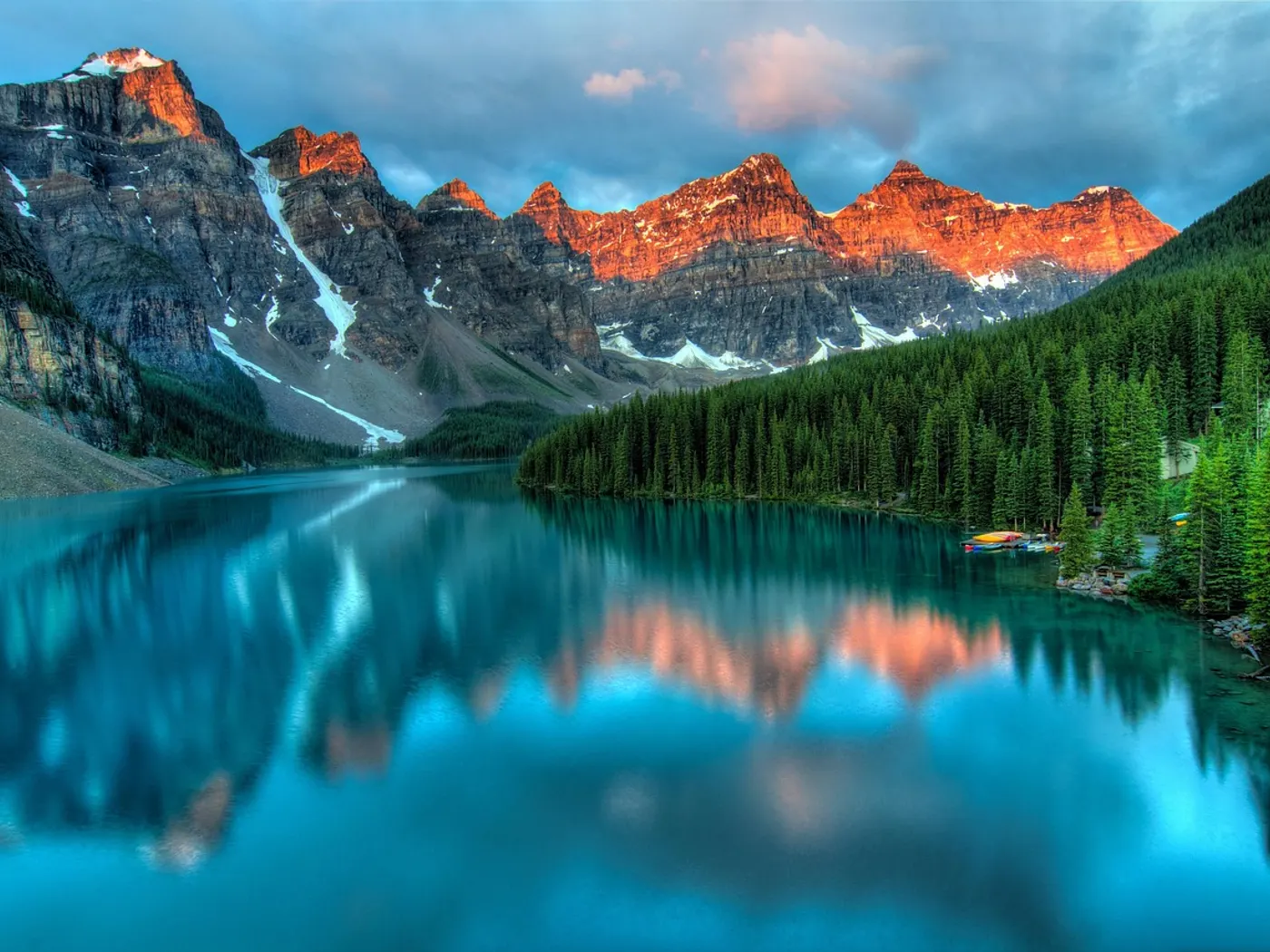
Big Lake South S.r.s.
Swimming hole in Big Lake, Alaska · Lake
Big Lake South S.r.s. is a lake swimming hole. It is near Big Lake, Alaska. Fee notes: $7 daily parking fee. Best season: June through August is the swimming and watersports window on Big Lake’s warmer shallows.
Typical season: June through August is the swimming and watersports window on Big Lake’s warmer shallows
Key facts
Structured details for trip planning — verify access and fees with the land manager before you visit.
- Water type
- Lake
- Water body
- Big Lake
- Fee
- $7 daily parking fee
- Nearest town
- Big Lake
- State
- Alaska
- Best season
- June through August is the swimming and watersports window on Big Lake’s warmer shallows. The south shore is a quieter alternative to the north unit on summer weekends.
- Access difficulty
- Easy. From Mile 52.3 of the Parks Highway, follow S. Big Lake Road about 7 miles; the park entrance is on the right, with roadside parking near the shore.
- Parking
- Roadside / pull-off
- Restrooms
- Yes
- Lifeguard
- Present (seasonal)
- Camping
- 20 first-come, first-served campsites at the site.
- Land manager
- State park / recreation agency
- Activities
- Swimming, camping, fishing, boating, waterskiing
- Facilities
- A 22-acre site with 20 first-come, first-served campsites, 10 picnic sites, a boat launch, ADA-accessible toilets, and drinking water.
- Last verified
- July 13, 2026
The experience
- Best time to visit June through August is the swimming and watersports window on Big Lake’s warmer shallows. The south shore is a quieter alternative to the north unit on summer weekends.
- Access Easy. From Mile 52.3 of the Parks Highway, follow S. Big Lake Road about 7 miles; the park entrance is on the right, with roadside parking near the shore.
- Facilities A 22-acre site with 20 first-come, first-served campsites, 10 picnic sites, a boat launch, ADA-accessible toilets, and drinking water.
- Camping nearby 20 first-come, first-served campsites at the site.
Highlights & features
- Quieter south-shore alternative on Big Lake
- Boat launch, picnic sites, and 20 lakeside campsites
- One of two state recreation sites on opposite shores of the same lake
Access & fees
Verified against dnr.alaska.gov (Alaska State Parks) (checked July 2026). Rules and fees can change; confirm with the land manager before you go.
Top picks for this trip
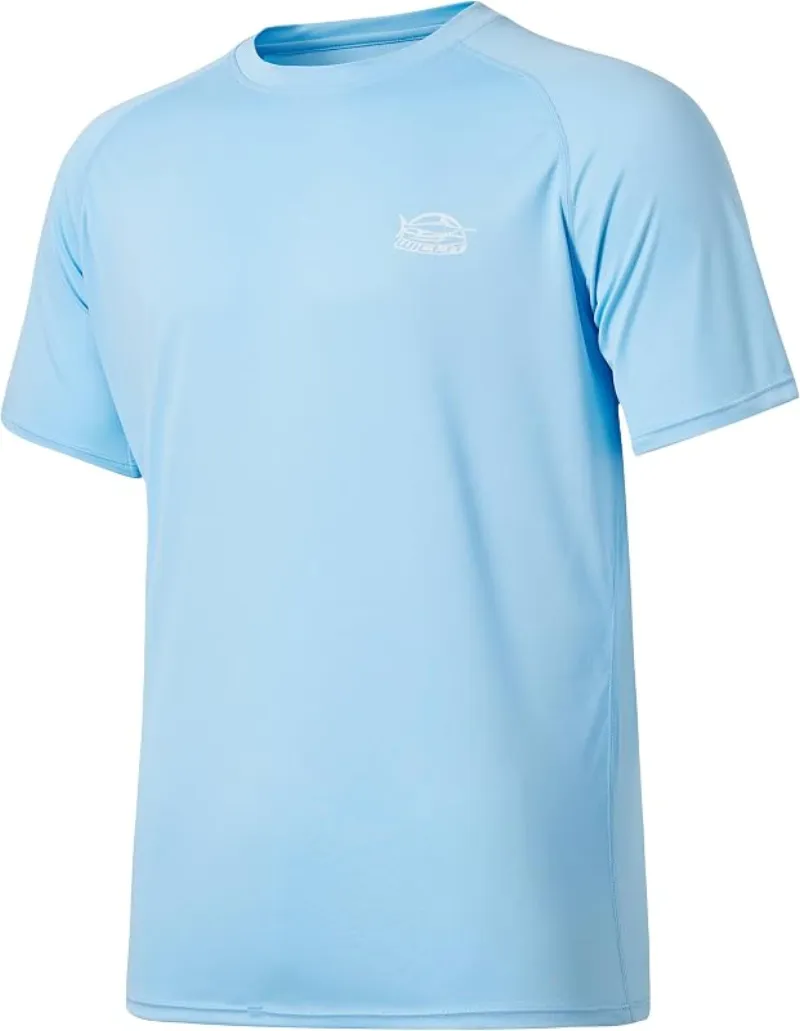
Willit Rashguard Swim Shirt UPF 50+
The best all-around sun shirt for swimming holes — light enough to swim in, dry enough to hike out in.
Check price on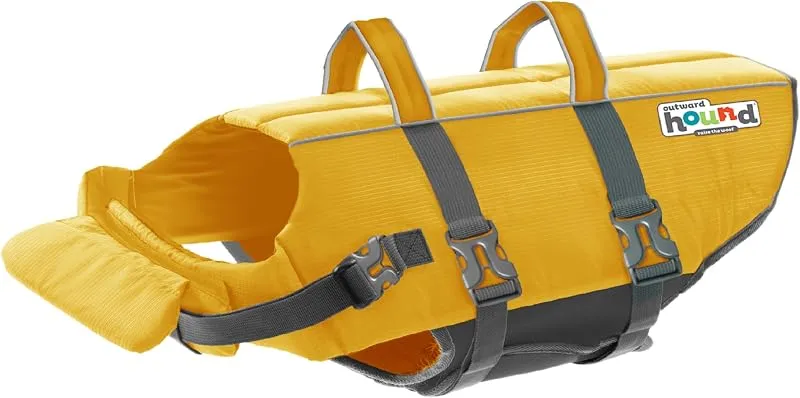
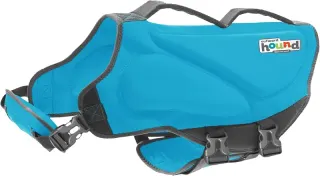
Outward Hound Granby Splash Life Jacket
The best all-around dog swim float for natural water — as long as the hole is calm and you stay hands-on.
Check price onDisclosure: Gear links may earn a commission as an Amazon Associate — at no extra cost to you. Learn more.
What to pack for Big Lake South S.r.s.
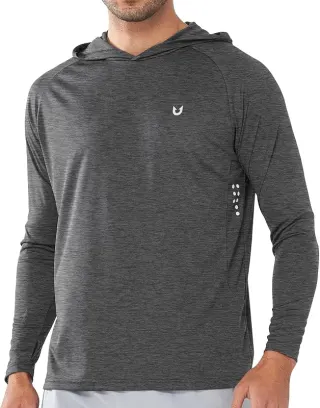
Gear we compare side by side for lake swims like this one — water access, sun, and the hike in.
Disclosure: Gear links may earn a commission as an Amazon Associate — at no extra cost to you. Learn more.
Frequently asked questions
Is Big Lake South free?
No — a $7 daily parking fee applies, the standard Alaska State Parks day-use rate. Camping is charged separately, and sites are first-come, first-served.
Can you swim at Big Lake South?
Yes. Alaska State Parks lists swimming among the official activities here. There are no lifeguards, and motorboats, water-skiers, and jet skis use the same water, so stay close to shore.
Which is better for swimming, Big Lake North or South?
Both sit on the same lake with similar water. Big Lake South is smaller and typically quieter on summer weekends, while Big Lake North has more campsites and picnic shelters. Either way, the warmest water arrives from mid-June through August.
Explore more nearby swimming guides
Sources & updates
Official land managers cited on this page
Always confirm current rules, closures, and fees on the agency site before visiting.
Spotted outdated access, fees, or safety info? Send a correction with the page URL — we review every submission.