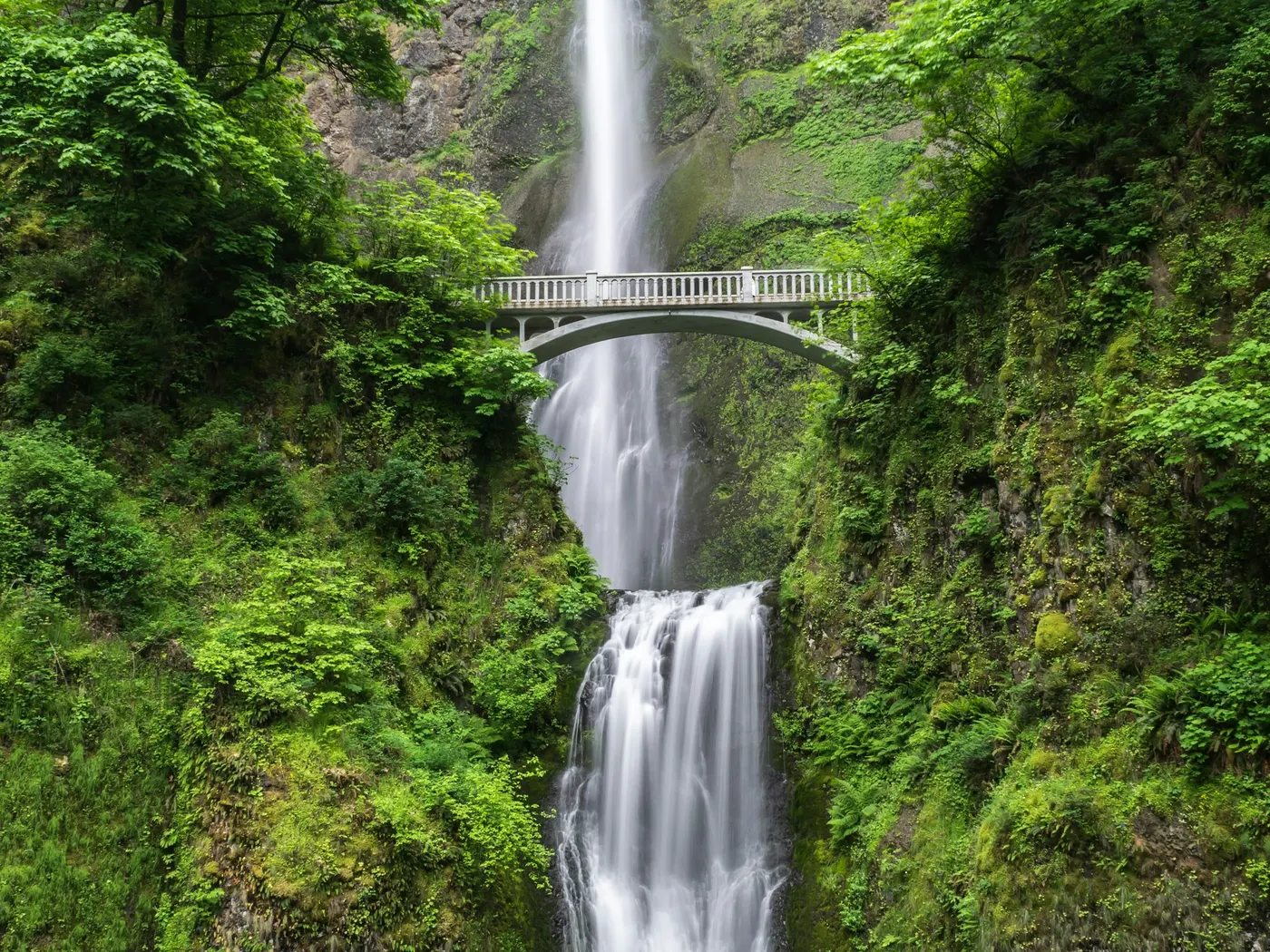
Falls City Falls
Swimming hole in Salem, Oregon · Waterfall
Falls City Falls is a river/falls swimming hole. It is near Salem, Oregon. Access is free. Best season: Summer months (June-August) for warm weather and optimal.
Typical season: Summer months (June-August) for warm weather and optimal
About Falls City Falls
Falls City Falls gives you river/falls swimming access near Salem in Oregon. Expect a natural bank, not a built beach.
Cascading over ancient basalt rock formations along the Little Luckiamute River, this natural hideaway sits within a State Experimental Forest, far removed from the crowds and commercialization that follow more famous .
The air smells of damp moss and Douglas fir, and the only sounds you're likely to hear are rushing water and birdsong. The falls carve through a dramatic basalt canyon draped in Pacific Northwest greenery. Sword ferns, bigleaf maples, and towering conifers press in from every side. In summer, dappled light filters through the canopy and catches the mist rising off the cascade, giving the whole scene an almost ethereal quality. Come autumn, the same trees erupt in amber and gold, making this one of the more quietly stunning seasonal transitions in the Willamette Valley foothills. In spring, the Little Luckiamute runs high and fast, transforming the falls into a roaring spectacle worth the hike for photographers and nature lovers alike. Wildlife is a constant presence here. Keep an eye out for kingfishers darting over the water and the occasional river otter moving through quieter pools below the cascade.
Swim at your own risk at Falls City Falls. Check conditions after rain and respect any posted closures.
Key facts
Structured details for trip planning — verify access and fees with the land manager before you visit.
- Water type
- River/Falls
- Water body
- Little Luckiamute River
- Fee
- Free
- Nearest town
- Salem
- State
- Oregon
- Coordinates
- 44.86278, -123.55083
- Best season
- Summer months (June-August) for warm weather and optimal . Spring for dynamic water flows and photography opportunities. Autumn for vibrant foliage.
- Access difficulty
- Moderate. Requires hiking and navigation through unmarked trails. Local assistance recommended for directions.
- Parking
- Designated area
- Restrooms
- Yes
- Lifeguard
- Present (seasonal)
- Cliff jumping
- Reported
- Camping
- None at site.
- Activities
- Swimming, Jumping
- Facilities
- No facilities available. Visitors must bring their own provisions, including water, snacks, towels, and footwear.
- Last verified
- May 12, 2026
The experience
- Best time to visit Summer months (June-August) for warm weather and optimal . Spring for dynamic water flows and photography opportunities. Autumn for vibrant foliage.
- Access Moderate. Requires hiking and navigation through unmarked trails. Local assistance recommended for directions.
- Facilities No facilities available. Visitors must bring their own provisions, including water, snacks, towels, and footwear.
- Camping nearby None at site.
Highlights & features
- Natural basalt rock formations
- Crystal-clear water
- Thrilling jumping spots
- Diverse wildlife and plant life
- Seasonal beauty
- Untouched natural setting
- Absence of commercialization
- Varied swimming conditions
How to get there
Falls City Falls lies in Oregon near Salem, Dallas, and Falls City. Use these driving notes as a starting point and confirm road conditions before you go. Bring water, sunscreen, and gear for a primitive swim day. Weekends and holidays can draw more visitors. Check local updates on access and water levels before you leave home.
-
Starting Point: Salem, OR
Begin by taking OR-22 West from Salem. Follow OR-22 for about 10 miles. Merge onto OR-223 South (Kings Valley Highway) toward Dallas. Continue on OR-223 for about 10 miles until you reach Dallas. From Dallas to Falls City:
-
3. In Dallas, turn right (west) onto Oakdale Road. This road is well-marked and serves as the main route to Falls City.
-
4. Stay on Oakdale Road for about 7 miles until you arrive in Falls City.
-
Finding Falls City Falls (Little Luckiamute Falls)
-
5. Once in Falls City, you will need to locate Black Rock Road, which is west of the town. Black Rock Road is a key route leading toward the falls.
-
6. Follow Black Rock Road to access the general area of the Little Luckiamute River and the falls. Be aware that the exact location may require a short hike, so plan accordingly.
-
Additional Information
-
Parking: Look for designated parking areas near Black Rock Road or in Falls City. Avoid blocking private property or roadways.
Trail Access: Depending on the season and conditions, there may be a trail leading to the falls. Wear appropriate footwear and bring water if you plan to hike. Local Assistance: If you have difficulty locating the falls, consider asking locals in Falls City for guidance. Important Notes: The area around the falls may have uneven terrain, so exercise caution. Always follow Leave No Trace principles to preserve the natural beauty of the area. Have a safe visit to Falls City Falls!
Plan your visit
Falls City Falls works well as a day trip from Salem or Dallas. Stock up in town, then head to the water with food, water, and sun protection. Combine the swim with camping at Canton Creek Swimming Spots On The North Umpqua River or browse more Oregon river spots in our directory. For the full list in Oregon, see our state directory.
Access & fees
Access details are not formally sanctioned. The area is reached via local roads like Black Rock Road, and parking may be informal. There is no stated fee, but visitors should respect private property and any posted signage. Facilities such as restrooms or picnic areas are not available.
Top picks for this trip
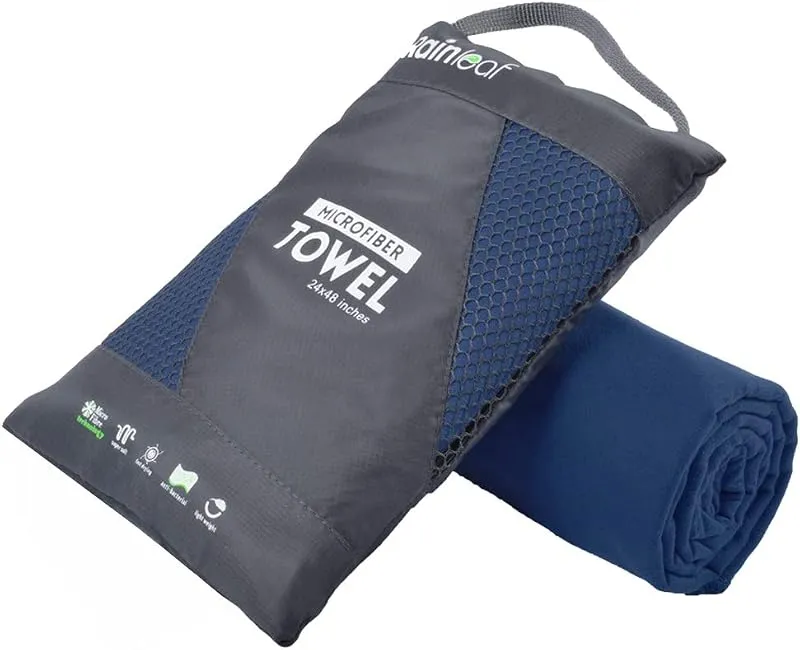
Rainleaf Microfiber Towel
Buy two — a large for drying off and a small for gear — and you still spend less than one cotton beach towel.
Check price on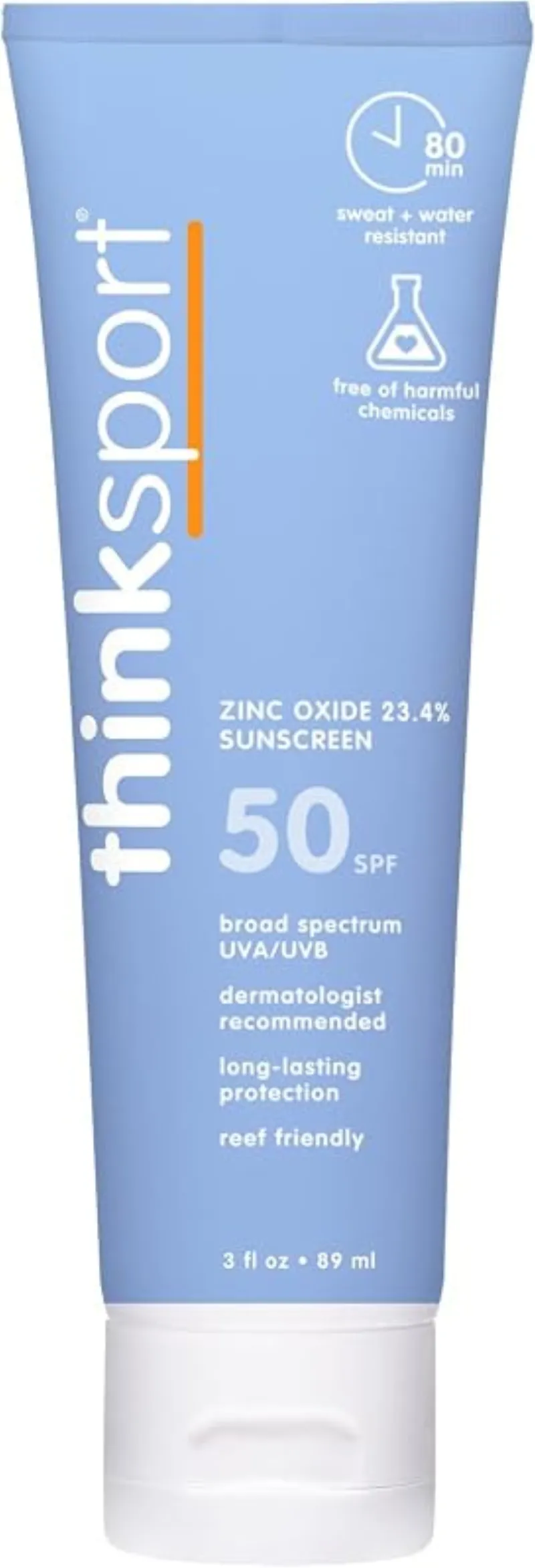
ThinkSport Sport Mineral Sunscreen
The best blend of reef-safety, protection, and wearability — start here.
Check price onDisclosure: Gear links may earn a commission as an Amazon Associate — at no extra cost to you. Learn more.
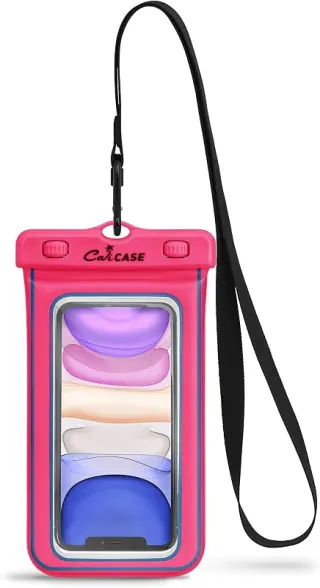
What to pack for Falls City Falls
Gear we compare side by side for waterfall swims like this one — water access, sun, and the hike in.


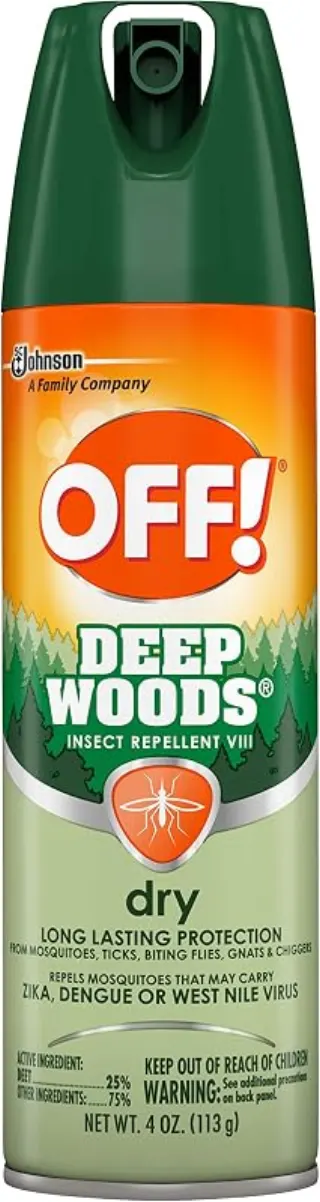
Disclosure: Gear links may earn a commission as an Amazon Associate — at no extra cost to you. Learn more.
Frequently asked questions
Can you swim at Falls City Falls?
Yes. Falls City Falls near Salem, Dallas, and Falls City in OR has waterfall / cascade pools on Little Luckiamute River used for swimming. Rocks are slippery and there are no lifeguards at informal access.
Is Falls City Falls free?
Access is generally free (fee listed as “None”). Confirm any parking or day-use rules on site, and pack out trash.
How do you get to Falls City Falls?
Falls City Falls is in OR within day-trip range of Salem, Dallas, and Falls City. Use a current map for the put-in or park entrance; cell service can be limited at remote spots.
Explore more nearby swimming guides
Nearby swimming holes
Map & location
Culture & history
Falls City Falls reflects the region’s logging history and serves as a reminder of early settlers’ reliance on natural water sources. Local lore adds depth to its appeal.
Conservation
Adhere to Leave No Trace principles. Pack out all trash, avoid disturbing wildlife, and respect the natural environment.
Sources & updates
Spotted outdated access, fees, or safety info? Send a correction with the page URL — we review every submission.