A blue hole is typically a deep, clear natural swim pool in a river, spring, or quarry — the color comes from depth and light, and safety depends on access rules and verified depth, not myths.
- Common settings
- Spring basins, quarry pits, limestone creeks
- Northeast note
- Some 'blue holes' are local names with folklore
- Clarity drivers
- Spring flow, low mud, rock bottom
- Main hazard
- Depth + cold water + cliff edges
- Find listings
- /states/pennsylvania/, /states/new-jersey/, /states/arizona/
A “blue hole” in American outdoor culture usually means a deep, startlingly clear natural pool — often in a creek, spring, or old quarry — where water takes on turquoise or sapphire color from depth and light. The term is regional, not scientific; one blue hole in Pennsylvania is nothing like another in Arizona.
Why the water looks so blue or clear
Clear color comes from a mix of factors:
- Depth — Deep pools absorb red light and reflect blue back to your eyes.
- Spring input — Groundwater often carries less mud than storm-runoff rivers.
- Rock bottom — Limestone and quartz sand brighten the pool.
- Sky reflection — Midday sun intensifies color on calm water.
That clarity does not mean sterile or safe. Bacteria, parasites, and cold layers still exist. Read river safety basics before you swim.
Regional meanings you should know
Northeast (NJ, PA) — “Blue hole” can label spring-fed pits in pine barrens or clear creek pools. Some carry local legends that attract reckless diving. Treat them as natural water with normal hazards, not mysteries.
Appalachia and limestone country — Clear aqua pools in spring creeks; often on public forest land with hike-in access.
Desert Southwest — Clear pockets in canyon rivers; flash-flood risk overrides color beauty.
Search our Pennsylvania and New Jersey hubs for documented clear-water listings rather than chasing unmapped pins.
Blue holes vs. swimming holes vs. quarries
| Term | Typical meaning |
|---|---|
| Blue hole | Marketing/local name for clear, deep pool |
| Swimming hole | General natural swim spot |
| Quarry pool | Human-dug pit filled with groundwater |
Our quarry type page separates legal swim sites from risky trespass pits.
Safety: myths vs. reality
| Myth or distraction | Real risk |
|---|---|
| “Bottomless” pit | Unknown depth — never dive head-first |
| Water “pulls you under” | Cold stratification — warm surface, cold below |
| Perfectly still = safe | Current at spring inlets can push swimmers |
| Clear water = deep enough | Unstable cliffs; rock does not forgive bad jumps |
How to find clear-water spots near you
- Browse your state and sort mentally for spring-fed or limestone creek descriptions.
- Read listing photos and highlights for “clear,” “spring,” or “turquoise.”
- Use the directory keyword search for “spring” or “gorge.”
- Compare with our near-me guide for workflow — not just map distance.
Clear water is memorable; respectful access keeps these places open. Always verify legal swimming and seasonal closures on the official location page before you go.
Spots from our directory
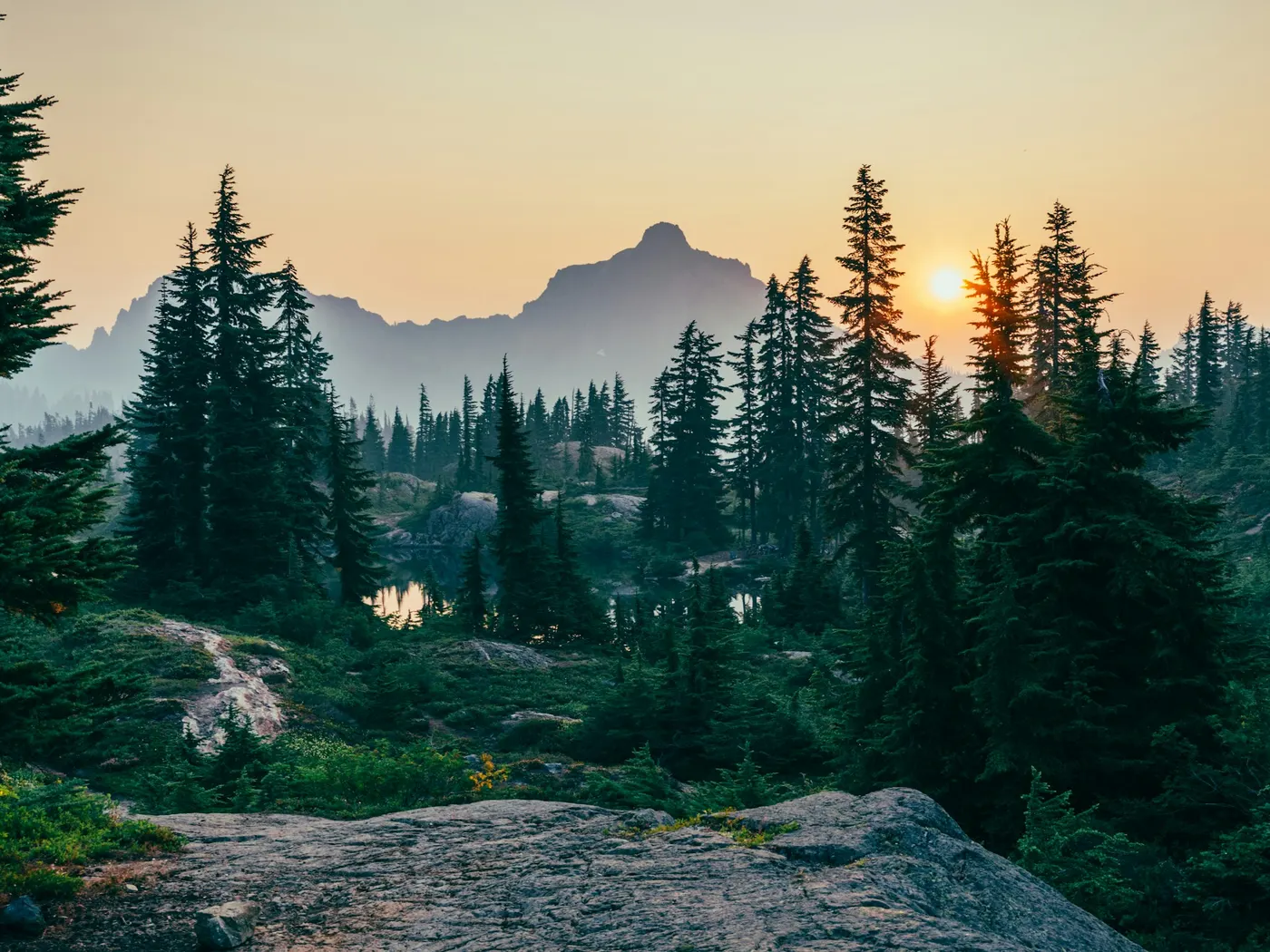
Blue Hole Barronvale
Blue Hole Barronvale on Laurel Creek near Somerset, Pennsylvania is a free clear creek swimming hole in the Laurel Highlands. Unique rock formations and cold mountain water — no lifeguards.
View details Sycamore Canyon
Sycamore Canyon near Sedona / Clarkdale, Arizona is a remote red-rock canyon with seasonal creek swimming holes. Free hike-in wild access — bring water; monsoon flash floods are dangerous.
View details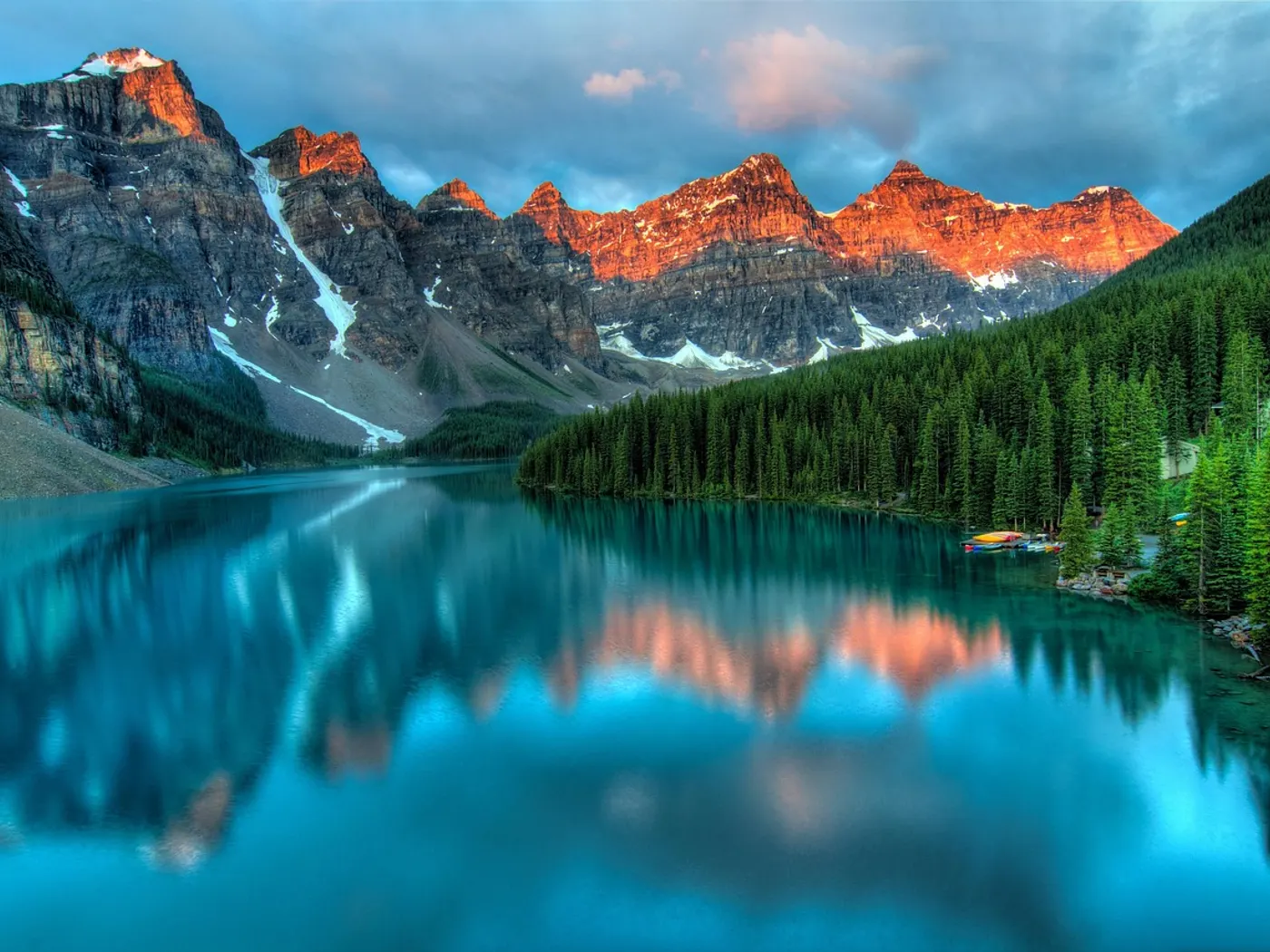
Surprise Lake
Surprise Lake near Highlands / Sandy Hook area New Jersey is a free (or locally managed) swimming lake used by day-trippers from the Jersey Shore corridor. Confirm current access rules and hours before swimming.
View detailsFrequently asked questions
What is a blue hole?
In the U.S. it usually means a deep, clear natural pool where water looks blue or turquoise because of depth, sky reflection, and minerals — not one single geological formation.
Why is the water so clear at some swimming holes?
Spring-fed flow, low sediment, rock filtration, and depth scatter light so pools look clearer than muddy runoff rivers.
Are blue holes dangerous?
Depth, cold layers, currents, and diving injuries are real risks. Legends about 'bottomless' or haunted holes distract from actual water safety.