Best satellite communicators for remote swimming holes

Two-way messaging and SOS where there is no cell signal

Satellite Communicators comparison chart

ProductPrice tierMessagingNetworkSubscriptionBest forBuy
Best overallinReach Mini 2 Satellite CommunicatorGarminPremiumTwo-way textIridium (global)RequiredMost swimming-hole tripsCheck price on
Best upgradeinReach Mini 3 Plus SOS Satellite CommunicatorGarminPremiumText, photo and voiceIridium (global)RequiredLonger and remoter tripsCheck price on
Best valueinReach Messenger Satellite CommunicatorGarminBudgetTwo-way textIridium (global)RequiredFirst satellite deviceCheck price on
inReach Messenger Plus SOS Satellite CommunicatorGarminMid-rangeText, photo and voiceIridium (global)RequiredPhotos without flagship priceCheck price on
Best keyboardSpot X with Bluetooth 2-Way Satellite MessengerSpotBudgetTwo-way textGlobalstarRequiredTyping without a phoneCheck price on
How we chose these picks

We have not lab-tested every product on this page. Picks are shortlisted from popular, widely available options, then filtered for swimming-hole use: wet rocks, river crossings, hike-in access, and a day away from the car. We cross-check manufacturer specs, read recurring complaints in buyer reviews (leaks, seams, sizing, durability), and drop anything with a pattern of safety or reliability problems.

“Price tier” compares items within this list only. Prices change often, so check the current price on the retailer before you buy. We earn a commission on qualifying purchases; it does not change our picks. See our editorial policy.

Quick pick: The best swimming holes usually have no phone signal. A satellite communicator sends texts and an interactive SOS over satellite instead of cell towers, from about $200 plus a subscription.

The best swimming holes are usually the ones with no bars on your phone. A satellite communicator sends texts and triggers an interactive SOS over satellite instead of cell towers, so a twisted ankle on the hike out is an inconvenience rather than an emergency. We compared the current inReach line and the Globalstar alternative for river canyons, forest roads, and trailheads well past coverage.

Product details

Best overall

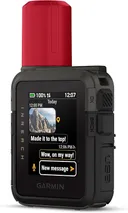
Garmin inReach Mini 2 Satellite Communicator

The Mini 2 is the default answer for hikers who want satellite messaging without carrying a second handheld. It is palm-sized, clips to a pack strap, and does the two things that matter off-grid: text the people at home, and reach a rescue coordination centre if the day goes wrong.

Features

  • Two-way text messaging and interactive SOS
  • TracBack routing to retrace your way out
  • Location sharing with contacts back home
  • Digital compass that holds heading when still
  • Pairs with the Garmin Explore app for trip planning

Pros and cons

ProsCons
Small and light enough to always bringNeeds a paid satellite subscription
Huge review base with a strong track recordTyping on the device itself is slow without a phone
TracBack helps on unmarked approach trails

Activities and environments best for

  • Canyon and forest-road swimming holes
  • Solo hikes
  • Trips with no cell coverage

Overall

If you only buy one piece of safety gear for remote water, make it this one.

Best upgrade

Garmin inReach Mini 3 Plus SOS Satellite Communicator

The Mini 3 Plus adds a colour touchscreen and photo and voice messages to the Mini formula. Garmin quotes up to 350 hours of battery with ten-minute tracking, which covers a long weekend of exploring with room to spare.

Features

  • Photo, voice and text messaging without cell service
  • Interactive SOS with location to a 24/7 response centre
  • Scratch-resistant colour touchscreen
  • Up to 350 hours battery at 10-minute tracking intervals
  • Global coverage on the Iridium network

Pros and cons

ProsCons
Touchscreen is far easier than button-mashingCosts the same or more than the proven Mini 2
Voice notes are quicker than typing in bad weatherNewer model with a much smaller review base
Long battery life between charges

Activities and environments best for

  • Multi-day trips
  • Backcountry swimming holes
  • Sending photos from the water

Overall

Worth the step up if you want the touchscreen and photo messages; otherwise the Mini 2 does the safety job.

Best value

Garmin inReach Messenger Satellite Communicator

The Messenger is the cheapest way into Garmin satellite messaging. It drops the navigation features of the Mini line and concentrates on texting and SOS, which is exactly the subset most swimmers need.

Features

  • Two-way global text messaging beyond cell service
  • Group messaging through the Garmin Messenger app
  • Preset check-in messages that do not use your allowance
  • GPS location sharing
  • Rugged, pocketable build

Pros and cons

ProsCons
Roughly half the price of the Mini lineNo mapping or TracBack navigation
Preset messages keep subscription costs downBest used paired to a phone for real typing
Simple enough to hand to anyone in the group

Activities and environments best for

  • Budget-conscious first buys
  • Family day trips
  • Check-ins from the trailhead

Overall

The honest starting point — full SOS coverage without paying flagship money.

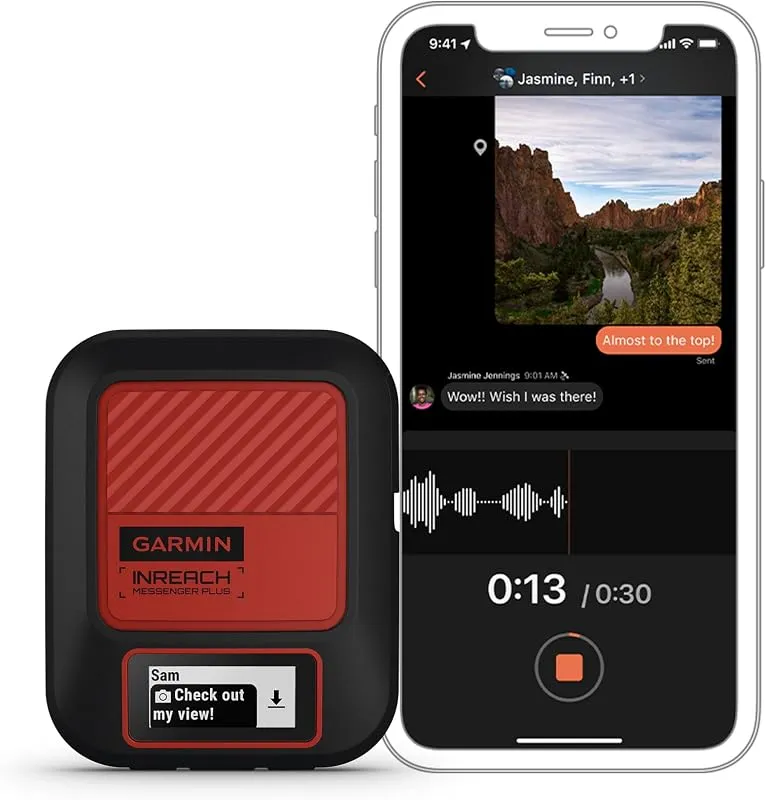
Garmin inReach Messenger Plus SOS Satellite Communicator

Messenger Plus sits between the two ends of the range: it adds photo and voice messaging to the cheaper Messenger body, so you can send a picture of the pool you found without paying Mini 3 Plus money.

Features

  • Two-way text, photo and voice messaging off-grid
  • Interactive SOS to a 24/7 response centre
  • Garmin Messenger app integration for easier typing
  • Preset phrases that do not count against your plan
  • Uses Wi-Fi or cellular when available to save satellite messages

Pros and cons

ProsCons
Photo messaging at a mid-range priceSmall review base so far
Falls back to Wi-Fi or cell to reduce satellite useNo onboard mapping
Strong early ratings

Activities and environments best for

  • Sharing finds from the water
  • Weekend trips
  • Groups splitting up on the trail

Overall

The sensible middle option if photo messages appeal but $446 does not.

Best keyboard

Spot Spot X with Bluetooth 2-Way Satellite Messenger

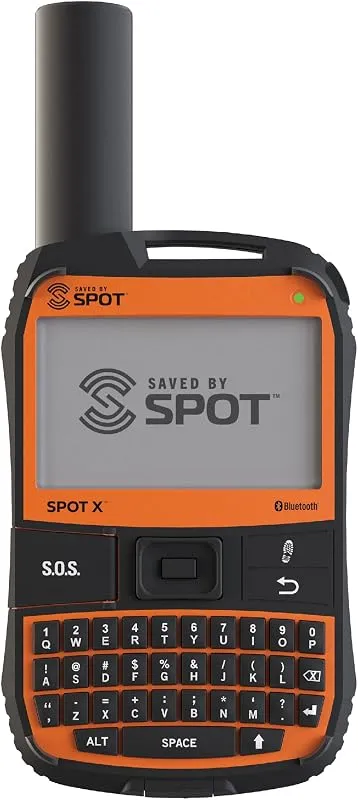
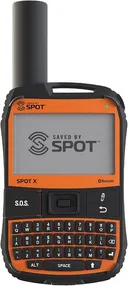
The Spot X is the one device here with a physical QWERTY keyboard, so it works as a standalone messenger when your phone is dead or sealed in a dry bag. It runs on Globalstar rather than Iridium, and its ratings are noticeably more mixed than Garmin’s.

Features

  • Built-in QWERTY keyboard for standalone texting
  • Bluetooth pairing to a phone as an alternative
  • SOS to a 24/7 search-and-rescue service
  • GPS location transmission over Globalstar
  • Ships with strap, carabiner and USB cable

Pros and cons

ProsCons
Type full messages with no phone neededRatings well below the Garmin alternatives
Lower entry price than the Garmin Mini lineGlobalstar coverage is less complete than Iridium
Dedicated SOS button under a cover

Activities and environments best for

  • Phone-free messaging
  • Groups who share one device
  • Budget alternatives

Overall

Buy it for the keyboard, but read the critical reviews first — the Garmin units earn better scores.

Satellite Communicators FAQ

Do I really need a satellite communicator for a swimming hole?

For roadside spots, no. For anything down a forest road or an hour along a trail with no bars, it is the difference between calling for help and walking out injured. Check coverage where you actually park and swim, not just the nearest town.

Do satellite communicators need a subscription?

Yes — every device on this page needs an active satellite plan to send messages or trigger SOS. Plans are usually monthly with a cheaper annual option, and most brands let you suspend the plan over winter.

Is a satellite messenger the same as a personal locator beacon?

No. A PLB only sends a one-way distress signal and needs no subscription. These devices add two-way texting, location sharing and an interactive SOS where you can describe the problem, which helps responders arrive prepared.

Will it work at the bottom of a canyon?

Usually, but not instantly. Satellite devices need a view of the sky, so messages can take several minutes to send under steep walls or heavy tree cover. Move to an opening and leave the device face up while it transmits.

Can I just use my phone’s satellite SOS feature instead?

Newer phones can send emergency messages by satellite, which is genuinely useful. A dedicated device still adds far longer battery life, a rugged waterproof body, and two-way conversation with a response centre — worth it if you are regularly out of coverage.

Get Our Free Guide to 20 Natural Swimming Holes

Hand-picked spots with directions, fees, and safety notes — delivered straight to your inbox.