LakeAK
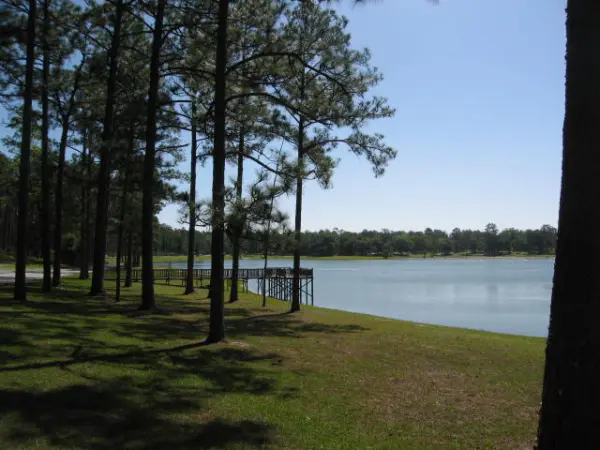
Big Lake North State Recreation Site
Big Lake North State Recreation Site near Wasilla, Alaska — swimming, boating, and camping on one of Southcentral Alaska’s busiest summer lakes. Fees, facilities, and directions.
View detailsThis page lists 5 lake swim spots in Alaska, where the swim season runs late june through august. Open each listing for directions, fees, and current conditions before you travel.
Alaska has 5 documented lake swim spots in this directory — a lake swim spot is a pond, lake, or reservoir with documented public swim access — a designated beach, a boat-ramp shoreline, or a park swimming area. The Alaska swim season runs Late June through August, peaking July. Access points cluster near Big Lake, Wasilla, Anchorage, Delta Junction, and Fairbanks. Every listing below links to a full page with directions, fee notes, access rules, and safety context.
Sort live from your phone with near me, browse all U.S. lake swimming holes, or open the Alaska state page.
Big Lake North State Recreation Site near Wasilla, Alaska — swimming, boating, and camping on one of Southcentral Alaska’s busiest summer lakes. Fees, facilities, and directions.
View detailsBig Lake South State Recreation Site near Wasilla, Alaska — the quieter shore of Big Lake for swimming, camping, and fishing. Fees, access, and what to expect.
View detailsGoose Lake Park in midtown Anchorage, Alaska — a free official swimming beach with picnic shelters, playground, and bike-trail access next to the UAA campus.
View detailsJewel Lake Park in south Anchorage, Alaska — free neighborhood swim beach with restrooms, playground, and a stocked fishery kept 50 feet clear of the swim area.
View detailsQuartz Lake State Recreation Area near Delta Junction, Alaska — designated swimming beach, beach volleyball, and one of Interior Alaska’s best road-accessible lakes.
View detailsSwimmable water is concentrated in shallow, dark-bottomed lakes near Anchorage, Fairbanks, and the Mat-Su Valley that warm in the long daylight, plus a handful of developed hot springs.
In this directory, Big Lake North State Recreation Site, Big Lake South State Recreation Site, and Goose Lake Park are among the lake spots we document in Alaska. The full list below reaches Big Lake, Wasilla, Anchorage, Delta Junction, and Fairbanks.
Even in July most lakes sit in the 55-68°F range; glacial-fed water stays near 40°F and is not swimmable.
Lakes are the warmest natural water in most states, typically reaching the mid-70s°F by late July, which also makes them the most likely to grow cyanobacteria.
Look before you get in. The CDC describes harmful algal blooms as foam, scum, mats, or spilled paint on the surface, often bright green. Discolored or smelly water means stay out — and keep dogs out, since they are far more often the fatal cases.
Many reservoirs are drinking-water supplies where body contact is illegal regardless of how inviting the shoreline looks. Check the posted rules rather than assuming.
In Alaska, the Alaska Department of Environmental Conservation publishes the water-quality and algal-bloom advisories that apply to these waters. Check them alongside the live gauge data rather than instead of it.
Lake drownings cluster away from beaches — at drop-offs just past the swim line, off docks, and around boat traffic. Swim parallel to shore rather than out toward open water.
Thermoclines catch people out: the top few feet are warm and the water beneath is sharply colder, which can trigger the gasp reflex on a dive.
Swimmer's itch, from a parasite in shallow warm shoreline water, is common and harmless but unpleasant — towel off briskly rather than air-drying.
Glacial silt and meltwater keep many scenic-looking lakes and rivers dangerously cold year round. Water temperature, not air temperature, decides whether a spot is safe.
Cold water deserves more respect than most swimmers give it. The National Weather Service notes that cold shock can be as severe at 50-60°F as at 35°F, and that the involuntary gasp reflex can be triggered by water as warm as 77°F — which is why entering slowly matters even on a hot day.
Alaska swims late june through august, with the most reliable water july. There is effectively no shoulder season — water outside midsummer is cold enough to trigger cold-water shock.
Lakes warm last and stay warm longest — they are usually the best choice in late August and early September when creeks have dropped.
5 of these listings carry their own best-time note from the land manager or from reader reports — open them for the specifics rather than relying on the state-wide window alone.
What to bring: A tow float for open-water swims, and sandals for hot sand and zebra-mussel shoreline.
We document 5 lake swim spots in Alaska. That is the number with enough verified detail — access, directions, and conditions — to publish, not the total number that exist. They cluster near Big Lake, Wasilla, Anchorage, and Delta Junction.
Late June through August, with the best conditions july. There is effectively no shoulder season — water outside midsummer is cold enough to trigger cold-water shock. Lakes warm last and stay warm longest — they are usually the best choice in late August and early September when creeks have dropped.
Of the 5 listed here, 2 free, 3 fee or park admission. Fees are usually a state park or day-use charge rather than a swimming charge, and they change season to season — open the individual listing before you drive.
Three things: the live flow or level at the nearest USGS gauge, the current advisories from the Alaska Department of Environmental Conservation, and the forecast for anywhere upstream of you. Glacial silt and meltwater keep many scenic-looking lakes and rivers dangerously cold year round. Water temperature, not air temperature, decides whether a spot is safe.
Generally no, not straight away. Runoff raises the current, pushes new debris into familiar pools, and spikes bacteria counts. Give moving water 24 to 48 hours to clear after heavy rain.