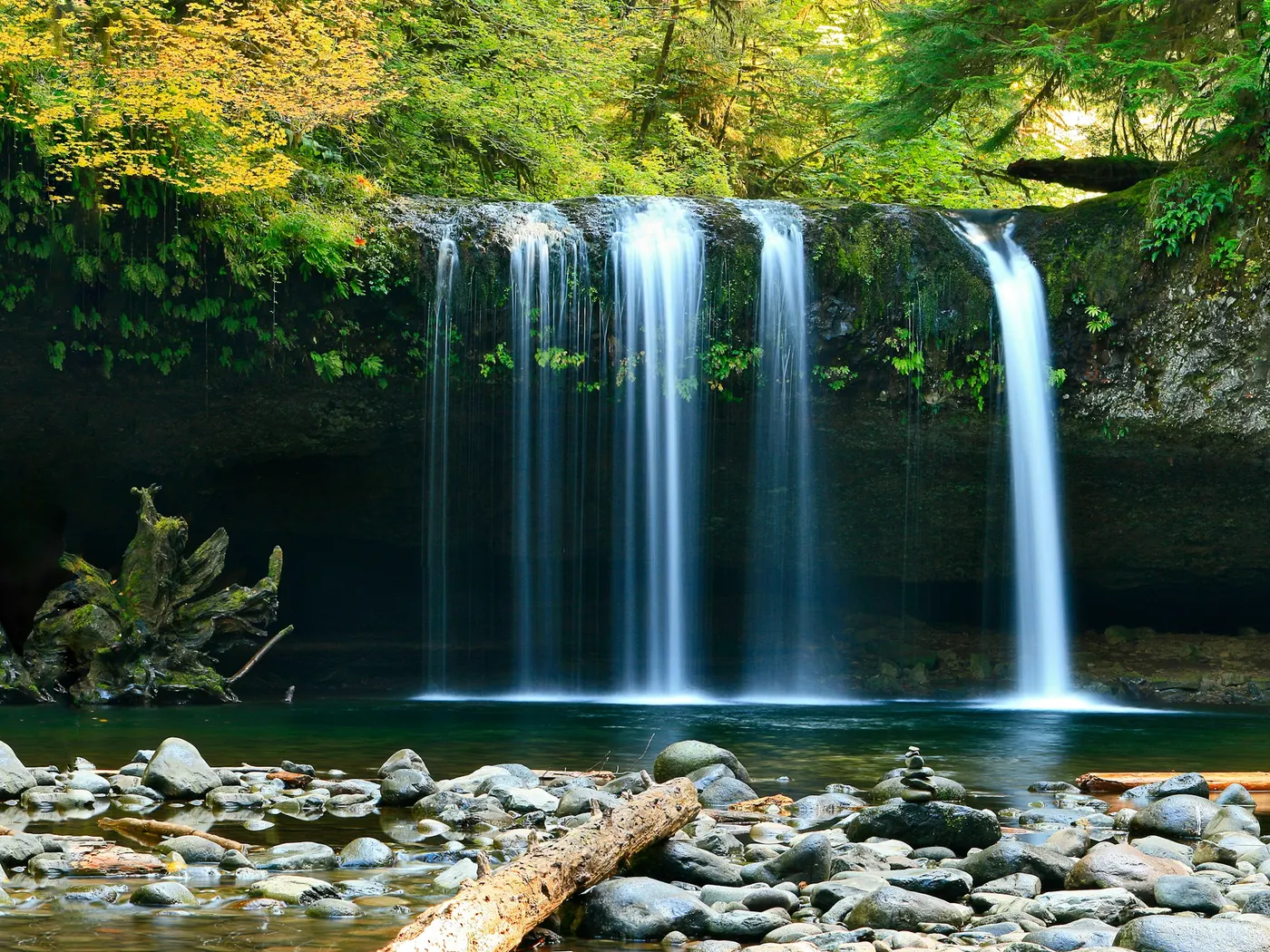
Timber Crib Dam
Swimming hole in Brattleboro, Vermont · River
Timber Crib Dam is a river swimming hole. It is near Brattleboro, Vermont. Access is free. Best season: Summer (June to August) for warm weather and swimming, and Autumn (September to October) for stunning fall foliage.
Typical season: Summer (June to August) for warm weather and swimming, and Autumn (September to October) for stunning fall foliage
About Timber Crib Dam
Timber Crib Dam gives you river swimming access near Brattleboro in Vermont. Expect a natural bank, not a built beach.
This unofficial, undeveloped spot sits between the towns of Brattleboro and Guilford, offering a genuinely rustic river experience far removed from manicured beaches and crowded pools.
What you'll find here is honest and unhurried: cold, clear river water, the sound of current moving over stone, and a 19th-century timber dam structure that speaks quietly to the history of Vermont's working landscape. The Green River moves through this corner of Windham County with an easy, pastoral energy. Forested hillsides press close to the water's edge, and the air carries the mineral coolness of a shaded river valley. The timber crib dam itself is a remarkable piece of vernacular engineering. A structure built from interlocking timber cribs filled with rock, a technique common in New England's industrial 19th century. It creates a natural pooling effect in the river, deepening the water and slowing the current in a way that makes . Nearby, a charming covered bridge adds to the sense that you've stepped into a Vermont postcard. In summer, the canopy overhead filters golden afternoon light through maple and birch. Come autumn, those same trees ignite in shades of amber and crimson, making the site arguably even more beautiful from September through October. The dam structure creates a natural pool with varied depth, giving both cautious waders and more confident swimmers room to find their comfort level.
Swim at your own risk at Timber Crib Dam. Check conditions after rain and respect any posted closures.
Key facts
Structured details for trip planning — verify access and fees with the land manager before you visit.
- Water type
- River
- Water body
- Green River
- Fee
- Free
- Nearest town
- Brattleboro
- State
- Vermont
- Coordinates
- 42.77547, -72.55729
- Best season
- Summer (June to August) for warm weather and swimming, and Autumn (September to October) for stunning fall foliage. Early mornings and weekdays offer the most solitude.
- Access difficulty
- Moderate. Gravel roads and informal parking require careful navigation. Access to the .
- Parking
- Designated area
- Lifeguard
- Present (seasonal)
- Camping
- None at site. Camping near Brattleboro in Fort Dummer State Park
- Activities
- Swimming
- Facilities
- No facilities available. Bring all necessary supplies, including food, water, and trash bags for packing out waste.
- Last verified
- May 12, 2026
The experience
- Best time to visit Summer (June to August) for warm weather and swimming, and Autumn (September to October) for stunning fall foliage. Early mornings and weekdays offer the most solitude.
- Access Moderate. Gravel roads and informal parking require careful navigation. Access to the .
- Facilities No facilities available. Bring all necessary supplies, including food, water, and trash bags for packing out waste.
- Camping nearby None at site. Camping near Brattleboro in Fort Dummer State Park
Highlights & features
- Timber Crib Dam on the Green River
- Rustic covered bridge nearby
- Peaceful swimming experience
- Rich wildlife and plant life
- Historical and geological significance
- 19th-century timber dam structure
- Proximity to a charming covered bridge
- Unspoiled natural surroundings
How to get there
Timber Crib Dam lies in Vermont near Brattleboro, Guilford, and Guilford Center. Use these driving notes as a starting point and confirm road conditions before you go. Bring water, sunscreen, and gear for a primitive swim day. Weekends and holidays can draw more visitors. Check local updates on access and water levels before you leave home.
-
Starting Point: Brattleboro, VT
Begin by taking Route 5 South from Brattleboro toward Guilford. When you arrive at the Guilford Country Store, turn right onto Guilford Center Road. Follow Guilford Center Road for about 4.7 miles until the pavement ends. At the end of the pavement, bear right onto Stage Road. Note that some maps may refer to this as Jacksonville Stage Road, but the signpost at this intersection reads "Stage Road." You will see a sign at this intersection indicating "2.5 miles to Green River." Continue on Stage Road for 2.5 miles until you reach a covered bridge on your left. Bear left down the hill, cross the covered bridge, and immediately turn left onto Green River Road.
-
Parking Details
You can park along Green River Road after crossing the covered bridge. Ensure your vehicle is parked safely and does not obstruct traffic or private driveways. There is no designated parking lot, so roadside parking is the best option.
-
Final Approach
After parking, follow any visible paths or trails leading toward the . Exercise caution and respect private property in the area. Be mindful of the natural surroundings and pack out any trash to preserve the beauty of the site. Have a safe visit to Timber Crib Dam!
Plan your visit
Timber Crib Dam works well as a day trip from Brattleboro or Guilford. Stock up in town, then head to the water with food, water, and sun protection. Combine the swim with camping at Dog River or browse more Vermont river spots in our directory. For the full list in Vermont, see our state directory.
Access & fees
This is an unofficial, unmaintained site with no facilities. Parking is roadside only on Green River Road. Respect all private property boundaries and posted signs. Access and water conditions can change without notice.
Top picks for this trip
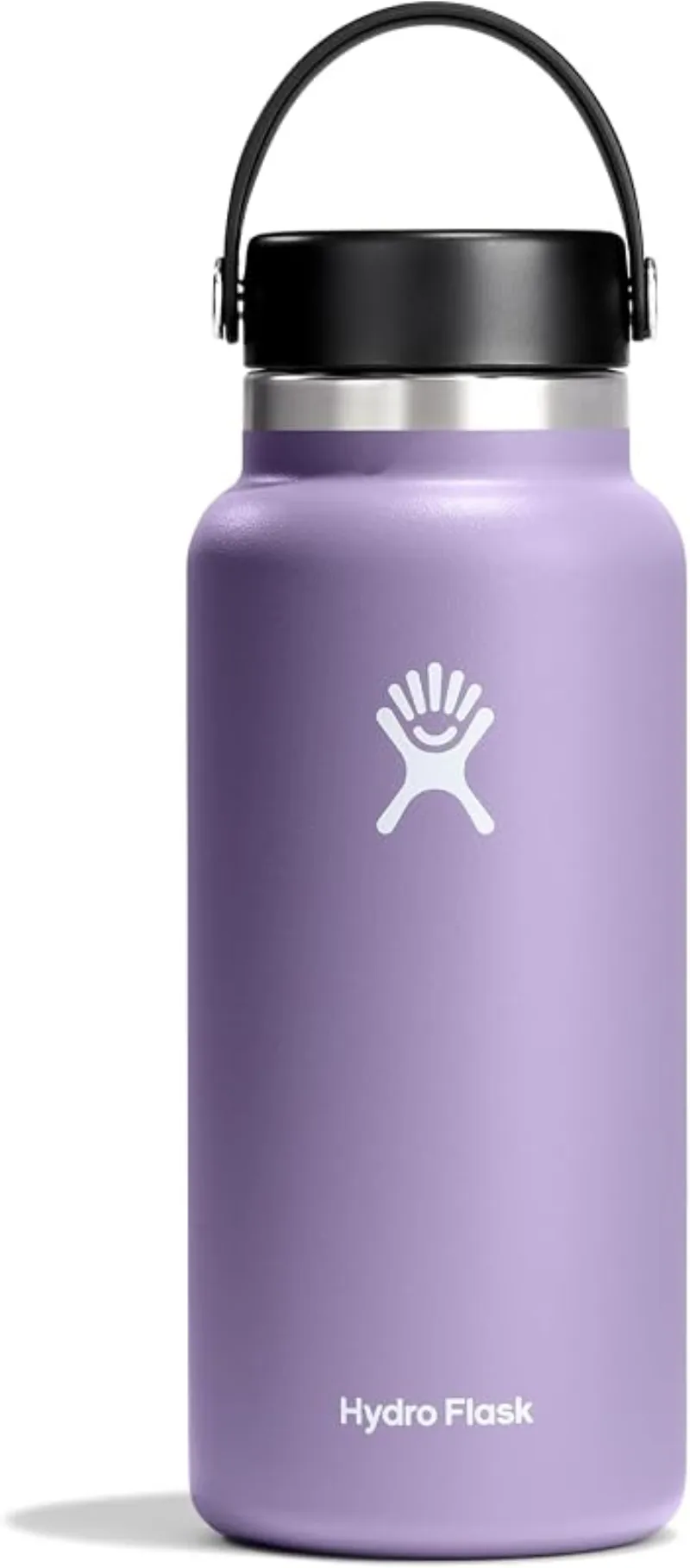
Hydro Flask Wide Mouth Bottle
A do-everything bottle that holds ice through a full hot day at the water.
Check price on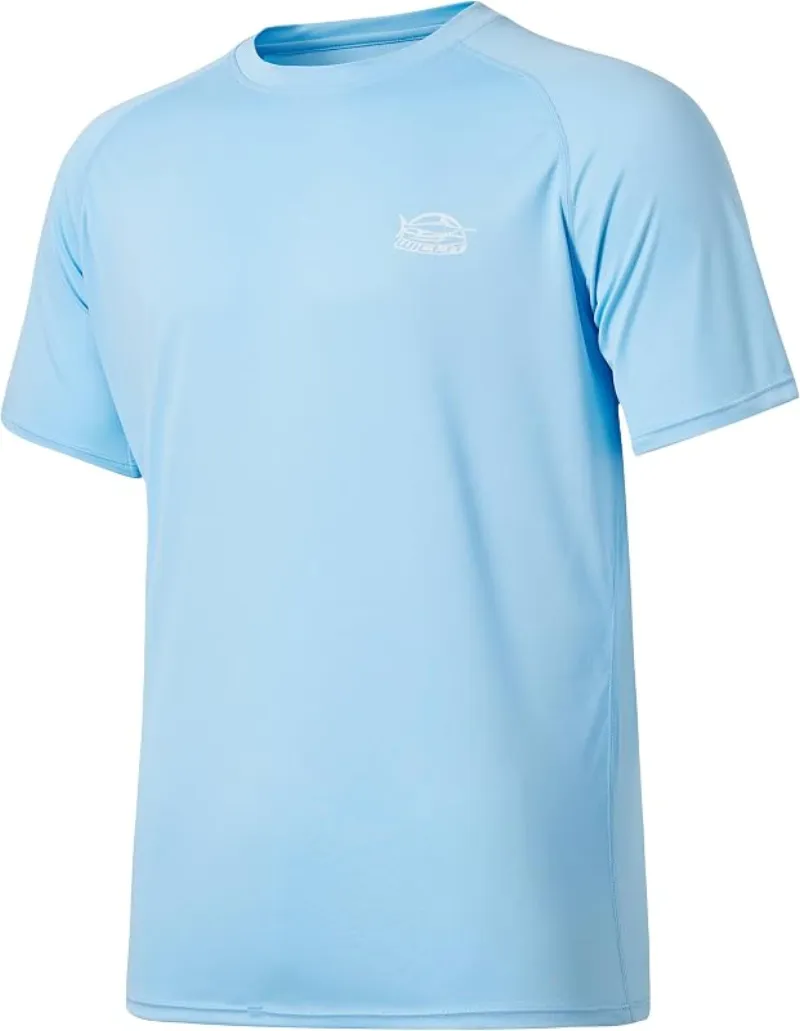
Willit Rashguard Swim Shirt UPF 50+
The best all-around sun shirt for swimming holes — light enough to swim in, dry enough to hike out in.
Check price onDisclosure: Gear links may earn a commission as an Amazon Associate — at no extra cost to you. Learn more.
What to pack for Timber Crib Dam
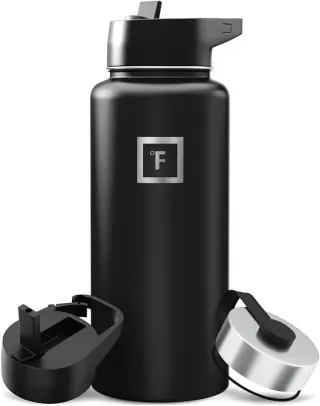
Gear we compare side by side for river swims like this one — water access, sun, and the hike in.

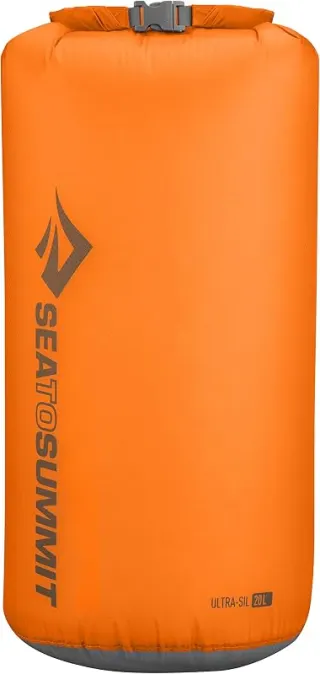
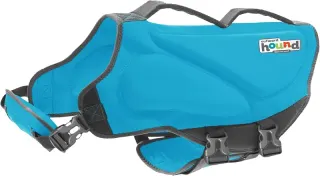
Disclosure: Gear links may earn a commission as an Amazon Associate — at no extra cost to you. Learn more.
Frequently asked questions
Can you swim at Timber Crib Dam?
Yes. Timber Crib Dam near Brattleboro, Guilford, and Guilford Center in VT is a river swimming spot on Green River. Scout depth and current before entering — no lifeguards at most natural access points.
Is Timber Crib Dam free?
Access is generally free (fee listed as “No”). Confirm any parking or day-use rules on site, and pack out trash.
How do you get to Timber Crib Dam?
Timber Crib Dam is in VT within day-trip range of Brattleboro, Guilford, and Guilford Center. Use a current map for the put-in or park entrance; cell service can be limited at remote spots.
Explore more nearby swimming guides
Nearby swimming holes
Map & location
Culture & history
The covered bridge and dam reflect Vermont's rural heritage and historical engineering techniques. The Green River played a vital role in local industries during the 19th century.
Conservation
Follow Leave No Trace principles. Avoid littering, respect wildlife habitats, and preserve the natural integrity of the area.
Sources & updates
Spotted outdated access, fees, or safety info? Send a correction with the page URL — we review every submission.