The best swim goggles for swimming holes are the Aqua Sphere Kayenne (widest view, UV + anti-fog), Speedo Vanquisher 2.0 (best value under $15), Zoggs Predator Flex Polarized (best glare reduction), and Aegend 2-Pack (budget pick, two pairs for $12). Choose mirrored or polarized lenses for outdoor glare, always verify UV protection, and never touch the inside of the lens to preserve anti-fog coating.
Swim Goggles comparison chart
| Product | Price | Lens | UV protection | Anti-fog | Best for | Buy |
|---|---|---|---|---|---|---|
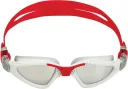
| Best overall Kayenne Swim Goggles Aqua Sphere | $22 approx. | Titanium mirrored | Yes | Yes | Wide visibility | Check price on |
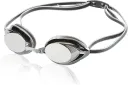
| Best value Vanquisher 2.0 Mirrored Goggles Speedo | $15 approx. | Mirrored | Yes | Yes | All-around | Check price on |
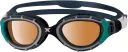
| Best for glare Predator Flex Polarized Ultra Zoggs | $45 approx. | Polarized copper | Yes | Yes | Bright conditions | Check price on |
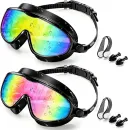
| Budget pick Swim Goggles 2-Pack Anti-Fog Aegend | $12 approx. | Clear (2-pack) | Yes | Yes | Casual dips | Check price on |
Half the reason to visit a natural swimming hole is what you can see below the surface — limestone shelves, spring vents pushing clear water up from the aquifer, fish holding in the current, submerged logs covered in moss. A $12 pair of swim goggles turns a quick dip into an underwater window you will not forget.
But goggles built for indoor lap pools are not built for outdoor conditions. Surface glare, UV exposure, sediment, and no lane ropes to guide you mean you need lenses and fit that work differently. We compared four standout models for natural swimming holes — springs, creeks, lakes, and quarries — covering lens type, UV protection, anti-fog performance, and value.
Why you need swim goggles at a swimming hole
Pool swimmers buy goggles for chlorine protection. At a natural swimming hole, the reasons are different:
| Reason | What it changes |
|---|---|
| Underwater visibility | See rock formations, fish, spring vents, and depth before jumping |
| UV eye protection | Hours of surface reflection at exposed spots damages eyes over time |
| Glare reduction | Mirrored and polarized lenses cut the bright shimmer off open water |
| Sediment and minerals | Creek sand and mineral-rich spring water irritate unprotected eyes |
| Safety | See submerged hazards — rocks, branches, drop-offs — before you swim into them |
You do not need goggles at every swimming hole. Murky river bends and tannin-stained creeks offer little visibility regardless. But at clear-water spots — spring-fed pools, limestone creeks, mountain lakes, and quarries — goggles are the single best gear upgrade you can make.
How to choose swim goggles for outdoor water
Not all swim goggles handle natural water well. Here is what matters and what does not when you are swimming at a creek instead of a pool:
Lens type matters most
| Lens | Best for | Skip when |
|---|---|---|
| Clear | Overcast days, shaded gorges, dusk swims | Bright open water — no glare protection |
| Mirrored | Sunny conditions, general outdoor use | Very dark conditions — too dim |
| Polarized | Bright exposed lakes, quarries, open ocean | Budget is tight — polarized costs more |
| Tinted (smoke/amber) | Moderate brightness, all-around outdoor | Very bright or very dark — middle ground |
For most swimming holes, mirrored lenses hit the sweet spot — they reduce glare without the premium price of polarized. If you swim mostly at exposed quarries and open lakes, polarized is worth the upgrade.
UV protection is non-negotiable
Every goggle in our comparison blocks UV rays. If a pair does not explicitly state UV protection on the listing, skip it. Hours of reflected UV off open water at a treeless swimming hole is worse than a day at the beach — water reflects up to 25% of UV radiation.
Anti-fog coating is temporary
All goggles ship with an anti-fog coating on the inside of the lens. It works well — until you touch it. Never wipe the inside of your goggle lenses. The coating degrades with contact, finger oils, and age. When it wears out, a drop of baby shampoo rubbed gently on the inside and rinsed is the standard DIY fix.
Fit beats features
A $45 polarized goggle that leaks is worse than a $12 budget pair that seals. Different goggles suit different face shapes — and there is no universal standard. The test is simple: press the goggles to your face without the strap. If they suction and hold for two seconds, the seal works for you. If air leaks in immediately, try a different model.
Best swim goggles for swimming holes: our picks
We narrowed the field to four goggles that cover the range from budget to premium, all with UV protection and anti-fog lenses built for outdoor conditions. Compare specs side by side in the table below, then read each mini-review.
Aqua Sphere Kayenne — Best overall
The Aqua Sphere Kayenne is the best swim goggle for swimming holes because it maximizes what matters most outdoors: visibility. The oversized curved lens gives you a genuine 180-degree field of view — wider than any standard goggle — so you can see the full spread of a spring basin or a quarry wall without turning your head.
The titanium-mirrored lens option cuts outdoor glare while the stabilizing bimaterial nose bridge keeps the seal comfortable over long swims. A quick-fit buckle on each side lets you adjust with one touch, even when wet. Made in Italy by the same company that builds dive masks, the build quality justifies the ~$22 price.
Best for: Clear springs, open-water swimming, swimmers who want the widest possible view.
Skip if: You want the cheapest option — the Speedo below costs less and covers basics.
Speedo Vanquisher 2.0 — Best value
The Vanquisher 2.0 is the most-purchased swim goggle on Amazon for a reason — it does everything competently at a price (~$15) that makes it easy to throw a pair in your dry bag and forget about it. Mirrored lenses reduce glare, anti-fog and UV protection are included, and the low-profile design fits a wide range of faces.
The interchangeable nose bridge is a nice touch — four sizes cover narrow to wide faces. The panoramic view is not as wide as the Kayenne, but it is far wider than budget race goggles.
Best for: Casual swimmers, day-trip pack additions, first-time goggle buyers.
Skip if: You swim in very bright conditions regularly — mirrored is good but polarized (Zoggs) is better for glare.
Zoggs Predator Flex Polarized Ultra — Best for glare
When sun hammers the surface of an exposed quarry or open lake, polarized lenses make a real difference. The Zoggs Predator Flex filters blue light, enhances contrast, and sits so softly — thanks to a gasket that is 10% softer silicone than standard — that you forget you are wearing goggles.
The 3D Flex points contour to your face for a near-custom fit, and the quick-adjust ratchet strap locks in place without fuss. Available in two sizes (regular and smaller profile), which is rare in the swim goggle world. At ~$45, it is the premium pick — but if you swim outdoors regularly, the clarity upgrade is obvious.
Best for: Bright sunny conditions, open lakes and quarries, long open-water swims.
Skip if: You swim occasionally and do not want to spend $45 — the Speedo handles most conditions.
Aegend 2-Pack — Budget pick
Two pairs of goggles with carrying cases and ear plugs for under $12 — the Aegend 2-pack is the best deal in swim goggles. Both pairs include UV protection, anti-fog coating, and a wide clear lens with decent peripheral vision. The soft silicone gasket and adjustable strap fit most adult faces.
The clear lens means no glare protection — these are not outdoor-optimized the way mirrored or polarized models are. But for casual dips at a creek or spring where you just want to peek under the surface, two pairs for the price of a coffee is hard to argue with. Keep one pair in the car and one in your pack.
Best for: Casual swimmers, families, anyone who loses gear.
Skip if: You swim in bright conditions — clear lenses offer zero glare reduction.
Quick comparison
| Feature | Aqua Sphere Kayenne | Speedo Vanquisher 2.0 | Zoggs Predator Flex | Aegend 2-Pack |
|---|---|---|---|---|
| Price | ~$22 | ~$15 | ~$45 | ~$12 |
| Lens | Titanium mirrored | Mirrored | Polarized copper | Clear |
| UV protection | Yes | Yes | Yes | Yes |
| Anti-fog | Yes | Yes | Yes | Yes |
| Field of view | Widest (180°) | Wide | Wide (curved) | Standard |
| Best for | Clear springs, wide view | All-around value | Bright open water | Casual dips |
| Sizes | One size + nose bridge | One size + 4 nose bridges | Regular + smaller | One size |
| Rating | 4.4 / 5 | 4.4 / 5 | 4.3 / 5 | 4.6 / 5 |
Full specs, pricing, and Amazon links are in our swim goggles comparison table.
Which type of swimming hole benefits most from goggles?
Not every swimming hole rewards underwater looking. Here is where goggles make the biggest difference:
Springs and spring-fed pools
Best case for goggles. Spring water is naturally filtered through limestone — visibility can reach 50+ feet. You can see the vent where water pushes up from the aquifer, watch fish cruise over sand beds, and spot the blue-green tint that gives blue holes their name. A pair of goggles at a Florida or Texas spring is as essential as reef-safe sunscreen.
Clear creeks and mountain streams
Mountain creeks fed by snowmelt or springs often run crystal clear in summer. Goggles reveal the rocky bottom, small trout, and the geology that carved the channel. The water is cold enough that you will not stay in long — but what you see in a 30-second dive makes the cold worth it.
Quarries
Former quarries flood with groundwater or rain and often have remarkable clarity and depth. Goggles let you see the quarry walls dropping away below you — an eerie, beautiful sight. Polarized goggles (like the Zoggs) are especially useful here because quarries are usually fully exposed to sun.
Lakes
Lake visibility varies wildly. Mountain lakes and spring-fed lakes can be clear enough for goggles to matter. Lowland lakes with algae and sediment offer less reward. Check the listing notes and photos — if you can see the bottom in images, bring goggles.
Rivers and tannin-stained creeks
Least useful. Most rivers carry enough sediment that visibility drops to a few feet. Tannic acid from decaying leaves stains many Southeastern creeks brown — goggles will not change that. Save them for clear-water spots.
How to care for swim goggles
Goggles are cheap but the anti-fog coating is fragile. A few habits extend the life of any pair:
- Rinse with cold fresh water after every swim — minerals, salt, and chlorine degrade the gasket and lens
- Never touch the inside of the lens — finger oils destroy the anti-fog layer
- Air dry in a case or pouch — not in direct sun, which yellows silicone and weakens straps
- Store flat — sitting on the lenses warps the gasket seal
- Replace when fogging is constant — no amount of baby shampoo fixes a fully degraded coating; budget goggles are cheap enough to replace yearly
Common problems with swim goggles (and how to fix them)
| Problem | Likely cause | Fix |
|---|---|---|
| Fogging | Anti-fog coating worn off | Baby shampoo on inside lens, rinse lightly |
| Leaking | Wrong face shape or worn gasket | Try a different brand; silicone gaskets wear out |
| Strap headaches | Over-tightened straps | Loosen until the seal holds without pressure |
| Marks around eyes | Gasket too stiff or too small | Switch to a softer gasket model (Zoggs Ultra-Fit) |
| Lens scratching | Stored loose in a bag | Always use a case or pouch |
| Dark vision | Mirrored/polarized lens in shade | Carry a clear-lens backup for overcast or shaded spots |
Swim goggles vs snorkel mask: which should you bring?
Both let you see underwater. The choice depends on what you plan to do:
| Swim goggles | Snorkel mask | |
|---|---|---|
| Weight | 2–3 oz | 8–16 oz |
| Pack size | Fits in a pocket | Needs a separate bag |
| Underwater | Full diving and swimming | Face-down surface viewing |
| Breathing | Hold your breath | Breathe through snorkel |
| Best at | Quick dips, diving, active swimming | Floating and watching from the surface |
| See also | This guide | Snorkel sets compared |
For swimming holes, goggles win most of the time. You are actively swimming, diving under ledges, and moving through the water — not floating face-down over a reef. Goggles are lighter, cheaper, and work in any body position. A snorkel mask is better for spring runs where you want to float downstream and watch the bottom pass below you.
What to pack alongside goggles
Goggles are one piece of a clear-water swimming day. Pair them with:
- Reef-safe sunscreen — protect yourself without harming the spring ecosystem
- Waterproof phone case — underwater photos of what you find
- Quick-dry towel — dry off fast between swims
- Water shoes — rocky entry at most swimming holes
See our full gear comparison hub for every category.
Bottom line
A pair of swim goggles costs less than a parking fee and transforms a swimming hole visit — especially at clear springs, limestone creeks, and quarries where the real scenery is below the waterline. The Aqua Sphere Kayenne gives you the widest view, the Speedo Vanquisher 2.0 is the best value, the Zoggs Predator Flex handles brutal glare, and the Aegend 2-pack means you always have a spare. Pick the lens that matches your light conditions and do not touch the inside of the lens.
Frequently asked questions
What is the best swim goggle?
For natural swimming holes, the Aqua Sphere Kayenne is the best overall — its oversized curved lens gives 180-degree visibility so you can take in underwater rock formations, fish, and spring vents. Speedo Vanquisher 2.0 is the best budget option with mirrored UV lenses under $15.
What type of swimming goggles are best?
For outdoor swimming in natural water, choose goggles with UV protection, anti-fog coating, and mirrored or polarized lenses to cut surface glare. Mask-style goggles with wide lenses work better than narrow racing goggles because visibility matters more than drag at a swimming hole.
What are swim goggles called?
Swim goggles, swimming goggles, or just goggles. Larger models that seal around the eye socket are sometimes called swim masks. Goggles with polarized lenses built for outdoor conditions are often marketed as open-water goggles.
What are the best swimming goggles for men?
All four goggles in our comparison are unisex and fit most adult faces. The Speedo Vanquisher 2.0 and Aqua Sphere Kayenne are the most popular choices among male swimmers. The Zoggs Predator Flex comes in two sizes (regular and smaller profile) for a custom fit.
What are the common problems with swim goggles?
Fogging, leaking, and strap pressure are the big three. Anti-fog coatings wear off — rinse with cold water after each swim and never touch the inside of the lens. Leaking usually means the wrong size or worn-out silicone gaskets. Strap headaches come from over-tightening — loosen until the seal holds without pressure.
What are the different types of swim goggles?
Racing goggles sit low-profile for speed. Training goggles add comfort padding for longer sessions. Open-water goggles use wider lenses, UV protection, and polarized or mirrored coatings for outdoor glare. Mask-style goggles cover more of the eye socket for the widest view — best for sightseeing at springs and clear creeks.
What are the benefits of wearing swim goggles?
Clear underwater vision, UV eye protection, and comfort in natural water. At swimming holes, goggles let you see limestone ledges, fish, spring vents, and submerged logs that you would miss otherwise. They also protect against sediment, minerals, and bacteria contact with your eyes.
What are the different sizes of swim goggles?
Most adult goggles are one-size with adjustable straps and interchangeable nose bridges. Some brands like Zoggs offer regular and smaller profile fits. Kids and youth goggles use narrower frames. The key measurement is eye socket width — if a goggle leaks or leaves deep marks, try a different brand shape rather than just tightening.
How to choose swim goggles?
Start with lens type: mirrored or polarized for sunny outdoor spots, clear for overcast or indoor. Then check UV protection (non-negotiable for swimming holes), anti-fog coating, and gasket comfort. Budget goggles like the Aegend 2-pack work for occasional dips. Frequent open-water swimmers should invest in polarized models like the Zoggs Predator Flex.