Swimming hole water levels rise after rain and drop in drought — brown fast water is unsafe; low drought flow can expose hazards and end pool depth.
- After heavy rain
- Wait for clarity; avoid brown water
- Drought
- Shallow pools, closed roads, no diving
- Waterfalls
- High spring flow vs. safer midsummer pools
- Check
- Listing + weather + agency alerts
- Related
- Best time to visit guide
Swimming hole water level decides whether a spot is open, safe, or worth the drive — more than the calendar date on your phone. A July weekend can mean a perfect pool or a muddy torrent depending on rain three counties upstream or drought lowering the whole watershed.
After rain: when to stay out
Heavy rain triggers:
- Brown, opaque water — sediment and bacteria spike.
- Stronger current — even “calm” holes connect to faster main channels.
- Floating debris — logs and trash wash through.
- Waterfall plunge force — base pools become churning hazards.
Practical rule: if water looks like chocolate milk, do not swim. Many watersheds need 24–72 hours of stable weather before clarity returns — follow local health advisories when they exist.
Pair with river safety.
Drought: low water changes everything
Drought years:
- Pools shrink — favorite jumps become shallow rock.
- Forest roads to trailheads close or degrade.
- Famous rivers (especially in Texas and the West) stop looking like photos online.
Low water exposes submerged shelves that were safe at higher flow — new hazards appear.
Texas visitors: read swimming holes in Texas for drought context.
Snowmelt vs. summer base flow
Mountain states see high, cold spring flow then lower midsummer levels:
| Phase | Typical character |
|---|---|
| Spring melt | Cold, fast, powerful waterfalls |
| Midsummer | Calmer pools — often best swim window |
| Late summer storm | Flash rise in narrow gorges |
See best time to visit for regional season tables.
Waterfall-specific levels
Waterfalls are dramatic at high flow but dangerous to swim under. Many holes are best when flow is moderate — see waterfalls you can swim in.
What to check the morning you go
- Rain in the last 48 hours on the watershed map.
- Land manager flood or closure alert.
- Social photos are unreliable — use agency pages first.
- Re-read listing safety tips on our site.
- Have a backup hole on the same state index.
Reservoir and lake levels
Dam drawdown exposes steep mud banks on reservoirs — different from creek holes. Read reservoir swimming rules if that is your target.
Water level is the daily go/no-go signal for natural swimming. Respect it and you avoid most “it looked fine on Instagram” rescues.
Top picks for this trip
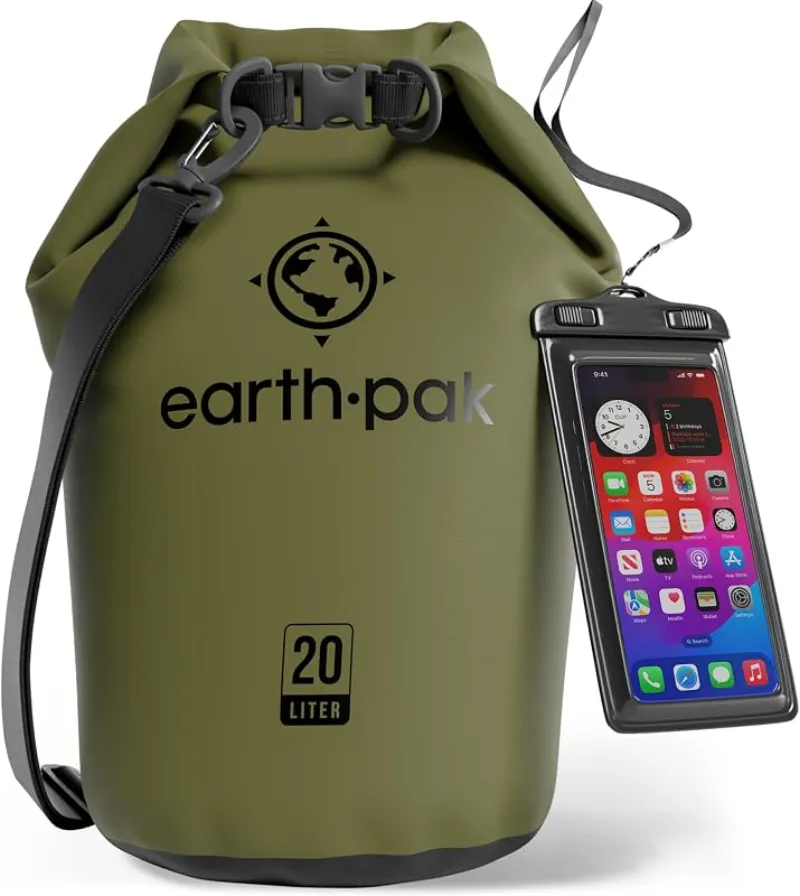
Earth Pak Waterproof Dry Bag
For most swimmers, the Earth Pak is the easy default — tough, affordable, and it comes with the phone case you were going to buy anyway.
Check price on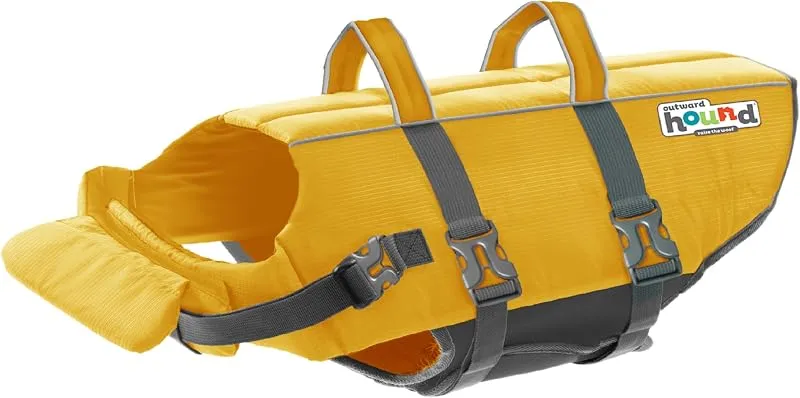
Outward Hound Granby Splash Life Jacket
The best all-around dog swim float for natural water — as long as the hole is calm and you stay hands-on.
Check price onFrequently asked questions
How does rain affect swimming holes?
Rain raises flow, mud, and bacteria levels. Wait for water to clear and current to ease before swimming.
Can drought close swimming holes?
Drought can expose rock, end pool depth, or close forest roads to access. Some famous holes are unusable in dry years.
When are water levels safest for swimming?
Often stable base flow in mid-summer after snowmelt passes, unless drought or storms disrupt the watershed that week.