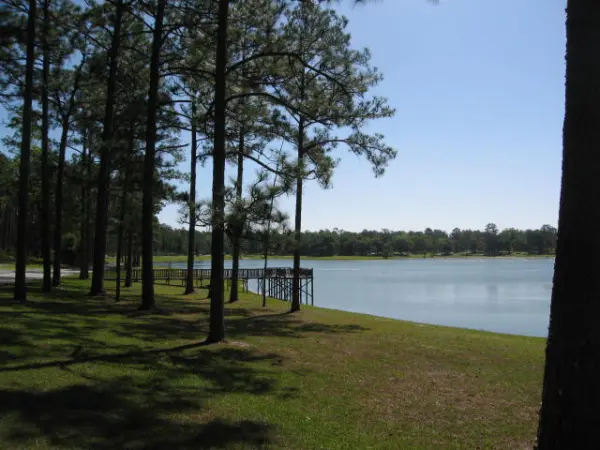
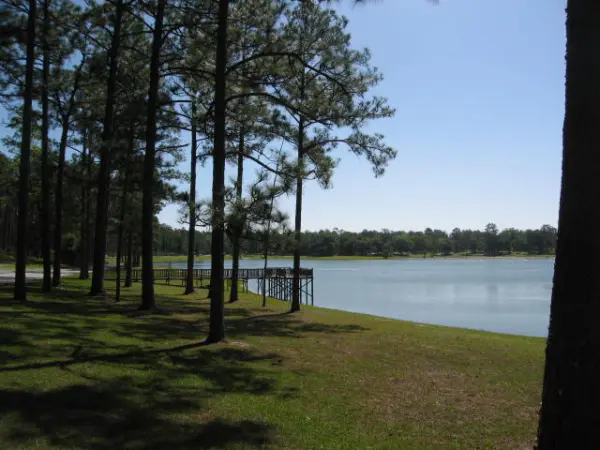
Easy access with real facilities — short walks, parking, restrooms or picnic areas, and shallow entries that work with kids in tow.
5 swimming holes in Vermont that work with kids — 2 river, 1 lake, 2 quarry. Every spot here has both an easy approach and real facilities such as parking, restrooms, or picnic areas. They include Dorset Quarry, Hapgood Pond, Jamaica Vermont Swimming Holes, and Marble Street Quarry. Easy access still does not mean supervised: most natural swim areas have no lifeguard.
It's the oldest marble quarry in the United States, carved out of the earth centuries ago and now filled with water so clear and still that the white marble walls shimmer beneath the surface like something out of a dream.
Marble Street Quarry near Vermont is a flooded quarry swimming hole with clear deep water. Access rules vary — confirm it is open to the public before entering; never trespass.
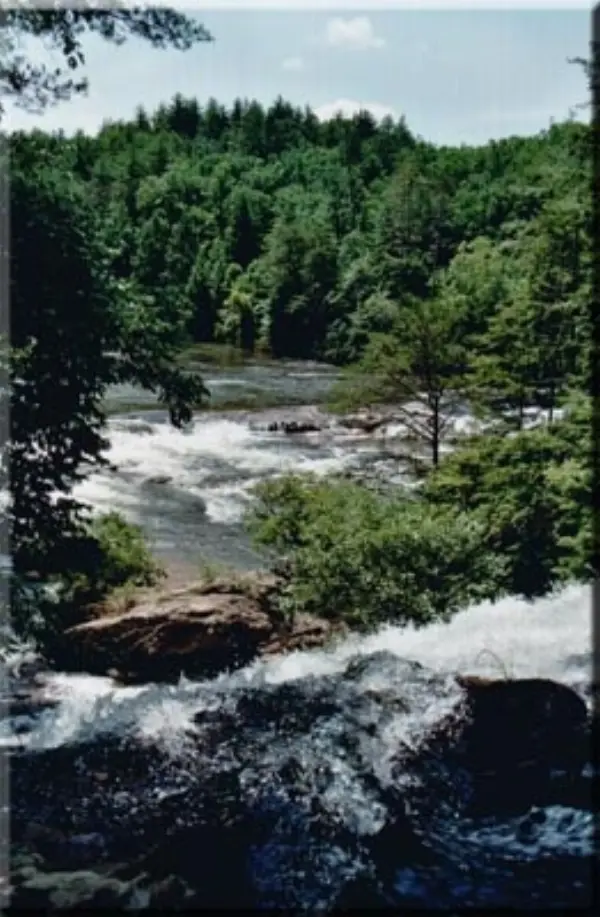
QUECHEE GORGE is a river destination on Ottauquechee River in VT near White River, Woodstock, Quechee. Fee note: None. Confirm current access and conditions before you go — no lifeguards at informal spots.
The two things that actually matter with children are the approach and the entry. Every listing here has an easy approach — short, marked, and walkable while carrying a cooler — and facilities on site, which usually means parking, restrooms, and somewhere to sit.
The entry matters just as much and varies spot to spot. A gradual sand or gravel shelf is very different from a ledge that drops to eight feet a step from shore. Read the individual listing, and walk the entry yourself before the kids get in.
Schist and granite ledge pools running clear and cold, typically low to mid-60s°F.
Facilities are not supervision
A restroom and a picnic table do not mean a lifeguard. The large majority of natural swim areas in Vermont are unguarded, including many inside state parks, so an adult needs to be watching the water the whole time — not reading, not on a phone.
Keep young or weak swimmers in a properly fitted life jacket rather than arm bands or inflatable rings, which drift and flip. Designate one adult as the water watcher and rotate the job every fifteen minutes; drownings are quiet and fast.
Check for advisories before you drive. Vermont Department Of Environmental Conservation publishes the water-quality and algal-bloom notices for Vermont. Discolored water, surface scum, or a strong smell means keep everyone — and the dog — out.
Timing and conditions in Vermont
Vermont swims mid-june through early september, best july to august. Warm afternoons in June and early September work at the lower-elevation holes.
Vermont holes are ledge-and-pothole terrain and jumping injuries are the norm — depths shift between seasons as gravel moves. Rivers rise very fast in summer thunderstorms, and several popular spots have parking restrictions enforced by towns.
What are the best family-friendly swimming holes in Vermont?
5 swimming holes in Vermont that work with kids — 2 river, 1 lake, 2 quarry. Every spot here has both an easy approach and real facilities such as parking, restrooms, or picnic areas. They include Dorset Quarry, Hapgood Pond, Jamaica Vermont Swimming Holes, and Marble Street Quarry. Easy access still does not mean supervised: most natural swim areas have no lifeguard.
Are these Vermont swimming holes free?
Some are free and some sit inside state parks or county recreation areas that charge a day-use or parking fee, usually a few dollars per vehicle. Each listing notes the fee status we have on record.
When is the best time to visit swimming holes in Vermont?
Mid-June through early September, with the most reliable conditions july to august. Warm afternoons in June and early September work at the lower-elevation holes. Weekday mornings are the quietest at every popular spot.
Are these spots safe for young children?
They are the easiest-access spots we document in Vermont, but easy access is not supervision — most have no lifeguard. Use fitted life jackets for weak swimmers, assign a water watcher, and check the entry gradient yourself before the kids get in.